
Affiliate Marketing in 2026: Build Brand Like Models
Media buyer playbook for affiliate marketing in 2026: shift from arbitrage to brand like ops, improve incrementality proof, manage CPA and scaling.
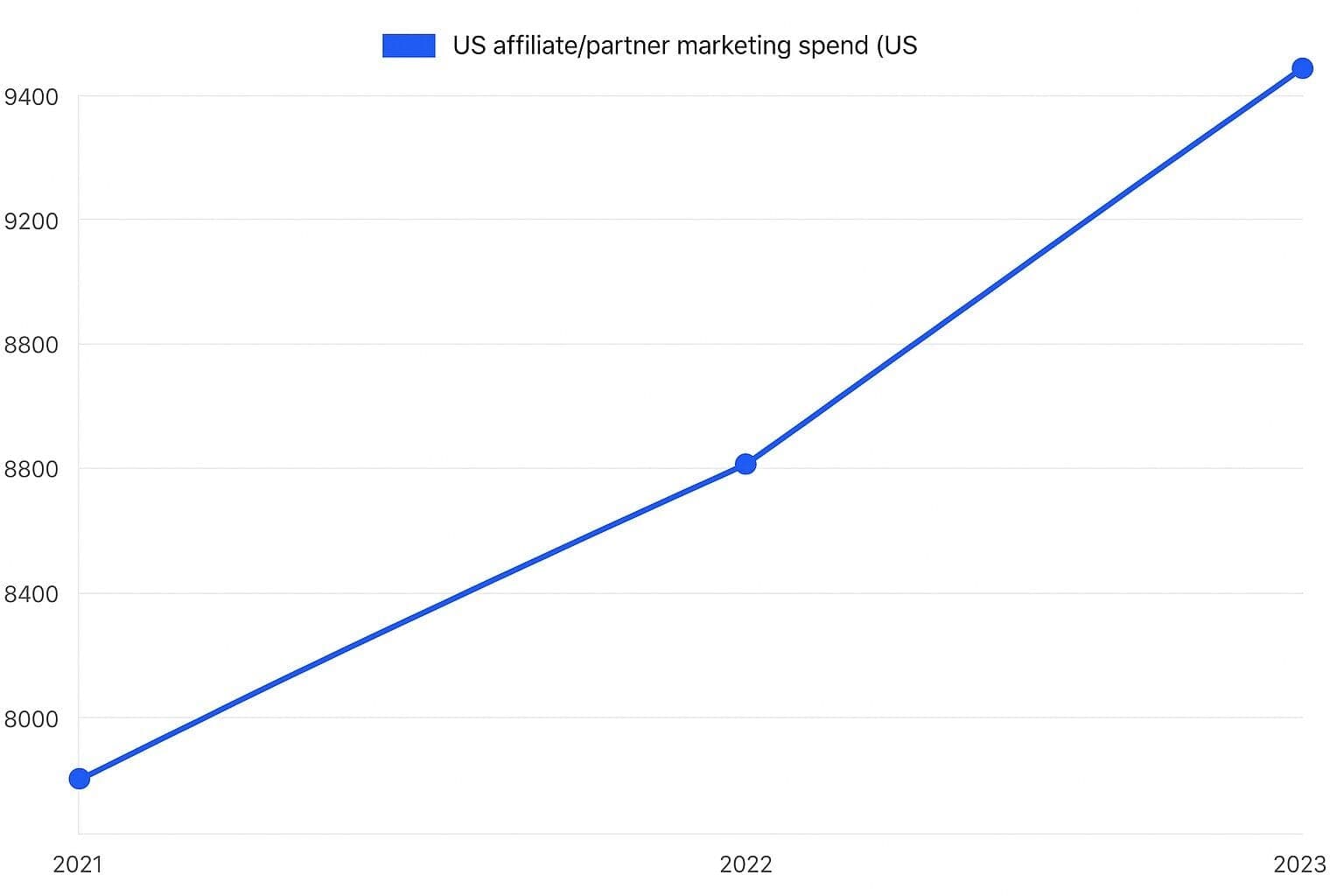
Affiliate marketing in 2026 is moving away from short lived arbitrage and toward durable, brand like models. Privacy shifts, content saturation, and stricter compliance are raising the bar. The operators winning are treating affiliate programs less like traffic flips and more like full funnel customer acquisition systems with CPA control and volume stability.
This shift creates a clear opportunity: build a repeatable engine that earns trust, converts predictably, and stays profitable through attribution noise and signal decay. The core idea is simple but demanding: use affiliate marketing to create a recognizable value proposition, consistent user experience, and measurable incremental lift for merchants.
If you are still relying on fragile tactics like thin comparison pages or coupon poaching, 2026 will feel tighter. If you build like a brand, you gain pricing power, partner leverage, and a defensible audience you can retarget and monetize across iteration cycles.
Why arbitrage is fading and brand like affiliates are rising
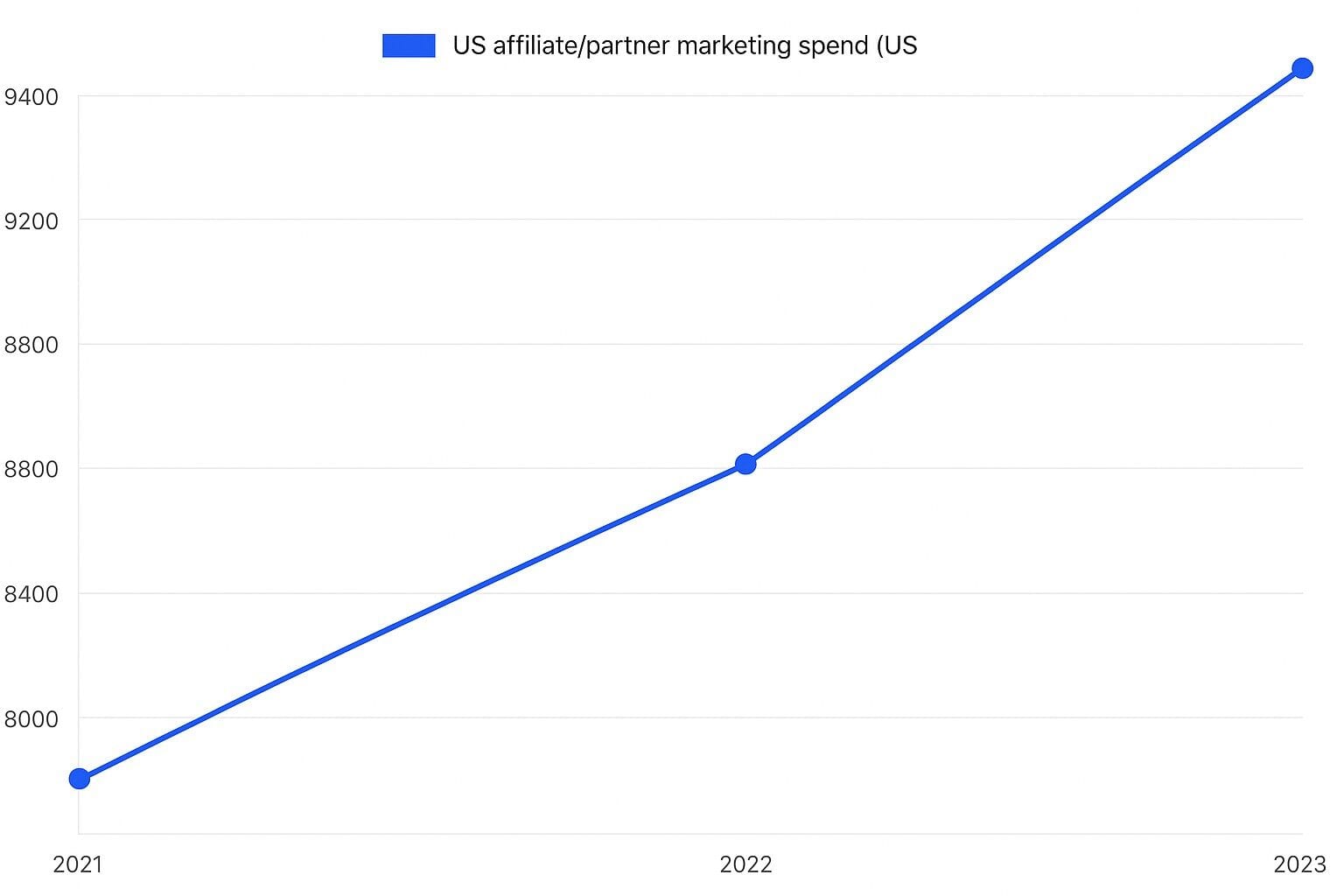
Classic arbitrage depended on cheap reach, loose tracking, and limited competition. Those conditions are disappearing. Auctions are more efficient, organic results are more selective, and networks are enforcing harder. Merchants want partners who can prove incrementality, protect brand safety, and support long term customer lifetime value.
Brand like affiliate models solve this by creating durable signals of quality: consistent editorial standards, transparent positioning, and measurable contribution beyond last click. When your site or channel behaves like a product, you can optimize conversion with owned data, improve retention, and build trust that compounds even when attribution rules change.
In practice, a brand like affiliate has three traits: clear niche authority, a differentiated experience, and an operating system for testing velocity, compliance, and partner management. That is what keeps revenue stable when algorithms shift and tracking becomes noisy.
How to build a brand like affiliate model in practice
Start by treating the affiliate business as a product with a defined customer, promise, and feedback loop. Your goal is not just clicks. It is a repeatable path from intent to conversion to retention, supported by measurement you can actually use for budget allocation.
A practical build process for 2026
- Define a narrow audience and intent: Pick one problem, one persona, and one buying moment. Relevance improves conversion rate and reduces reliance on paid traffic volatility.
- Create a differentiated content system: Publish reviews and comparisons that include methodology, real constraints, and update cadence. Platforms reward depth and users reward transparency, which helps CTR and downstream CVR.
- Engineer the conversion path: Standardize templates for tables, pros and cons, FAQs, and internal linking. Evaluate with scroll depth, click to offer rate, and conversion by intent cluster, not pageviews.
- Instrument measurement beyond last click: Use postback where possible, server side tracking where allowed, and holdout tests with key partners. 2026 decisions are driven by incrementality testing, not raw attributed revenue.
- Build partner fit and negotiation leverage: Choose merchants with strong retention, low refunds, and clean compliance rules. Negotiate higher tiers by presenting cohort performance, not just traffic volume.
Actionable insight: build a simple scorecard for every offer that includes conversion rate, refund rate, average order value, and user satisfaction signals. Keep what passes and cut what does not, even if it pays well short term, because poor user outcomes raise CPA and weaken authority.
Risks and common mistakes in 2026 affiliate marketing
The most expensive mistakes now come from misalignment: between your message and the merchant experience, between your claims and compliance standards, and between your tracking model and reality. These issues lead to account closures, clawbacks, and partnerships that quietly stop scaling.
Over reliance on last click attribution is a frequent trap. It causes you to overvalue bottom funnel pages and undervalue the content that creates demand. Merchants increasingly audit this, and you can lose placements if you cannot show incremental value.
Thin automated content is another risk. If you publish undifferentiated pages, you invite algorithmic suppression and user distrust. The fix is stronger editorial QA, original testing notes, and a refresh cadence that keeps claims accurate.
Actionable insight: run a quarterly compliance and quality audit. Check disclosures, claims, pricing accuracy, update dates, and prohibited ad copy. Networks and merchants are enforcing rules more aggressively, and remediation is cheaper than recovery.
- Coupon interception and brand bidding without permission: Leads to clawbacks and long term partner bans. Avoid by following terms and using approved keyword and placement lists.
- Misleading comparisons: Inflates short term clicks but increases refunds and merchant distrust. Avoid by documenting criteria and updating when products change.
- Single source traffic dependency: One algorithm update can cut revenue fast. Mitigate by diversifying into email and retargeting where permitted.
- Ignoring post purchase outcomes: High chargebacks and churn reduce your ability to negotiate commissions. Track refunds and customer complaints as first class metrics.
Optimization strategies: scaling with durability, not spikes
Scaling in 2026 is about compounding advantages: better measurement, stronger positioning, and tighter feedback loops. You want to improve revenue per visitor without increasing risk, and you do that by running optimization as an operating system with steady iteration cycles.
Actionable insight: prioritize conversion rate optimization on high intent pages before adding more content. Test one variable at a time, such as offer ordering, trust blocks, or call to action placement, and evaluate lift with enough sessions to avoid noisy reads.
Actionable insight: build owned audience capture with a useful newsletter, calculator, or checklist. It creates a channel you control, improves repeat visits, and lets you promote time sensitive offers without platform dependency or creative fatigue risk.
Actionable insight: adopt partner portfolio strategy. Maintain a core set of reliable offers, a secondary set of experimental offers, and a small set of seasonal offers. This reduces revenue shocks while preserving upside under scaling constraints.
- Use incrementality friendly placements: Create top of funnel guides that merchants cannot easily replicate, then connect them to product led comparisons. This demonstrates net new demand.
- Segment by intent and personalize: Serve different recommendations for beginners versus advanced buyers. Evaluate by conversion rate and refund rate per segment.
- Negotiate based on proof: Present cohort retention, assisted conversions, and content reach. Merchants pay more for predictable, defensible acquisition.
- Improve speed and UX relentlessly: Faster pages and clearer layouts increase click to offer and reduce bounce. Track Core Web Vitals and template level performance.
- Build defensible expertise: Add author standards, testing notes, and update logs. This increases trust and reduces vulnerability to content commoditization.
Actionable insight: create a monthly experimentation calendar that includes one tracking improvement, one content refresh batch, and one CRO test. Consistency matters more than big redesigns. The compounding effect is what turns an affiliate site into a brand like asset.
Affiliate marketing in 2026 rewards operators who can prove value, not just capture clicks. When you invest in trust, measurement, and a differentiated experience, you reduce platform risk and create leverage with merchants. The shift from arbitrage to brand like models is not a trend. It is the baseline for sustainable growth.
If you want help designing a brand like affiliate strategy, tightening measurement, or building a partner plan that scales, Contact us.