
Creative Fatigue. How It Damages Account Reputation
Creative fatigue drives signal decay that hurts account reputation, raises CPMs, and limits scale. Use triggers, concept rotation, and recovery cycles.
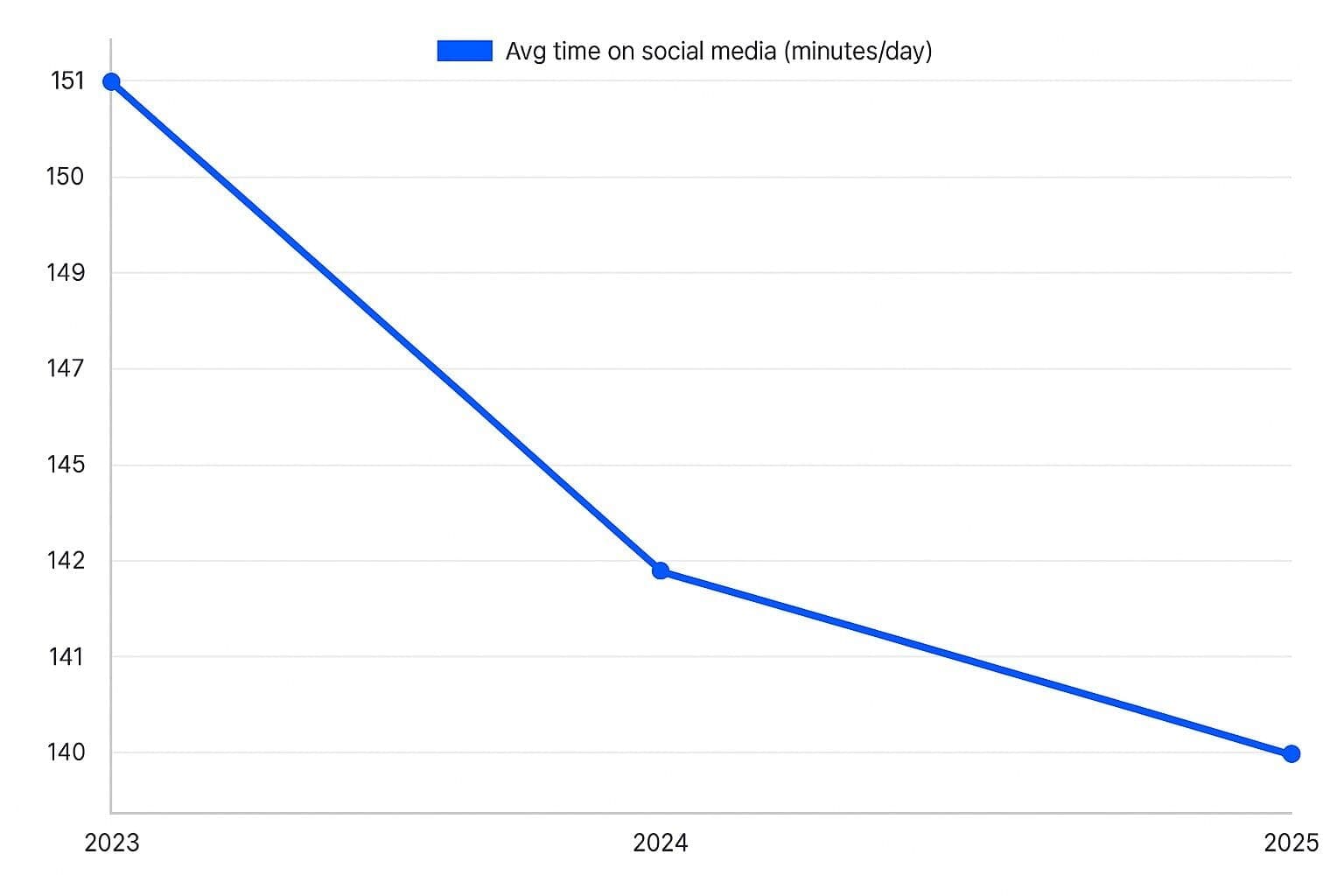
Creative fatigue is not just a performance problem. Left unchecked, it degrades account reputation through higher frequency, lower engagement, and more negative feedback. When the same audience sees the same concept too often, they stop responding, and the platform reads that as low quality.
Reputation is cumulative. A couple of soft weeks can look like normal variance, but sustained saturation trains delivery toward worse auctions and weaker users. You feel it as higher CPMs, weaker CVR, and less volume stability at the same CPA control targets.
If you map fatigue to reputation, you stop panic swapping ads and start running a system that protects delivery, keeps testing velocity up, and reduces signal decay across the account.
Why creative fatigue becomes a reputation problem
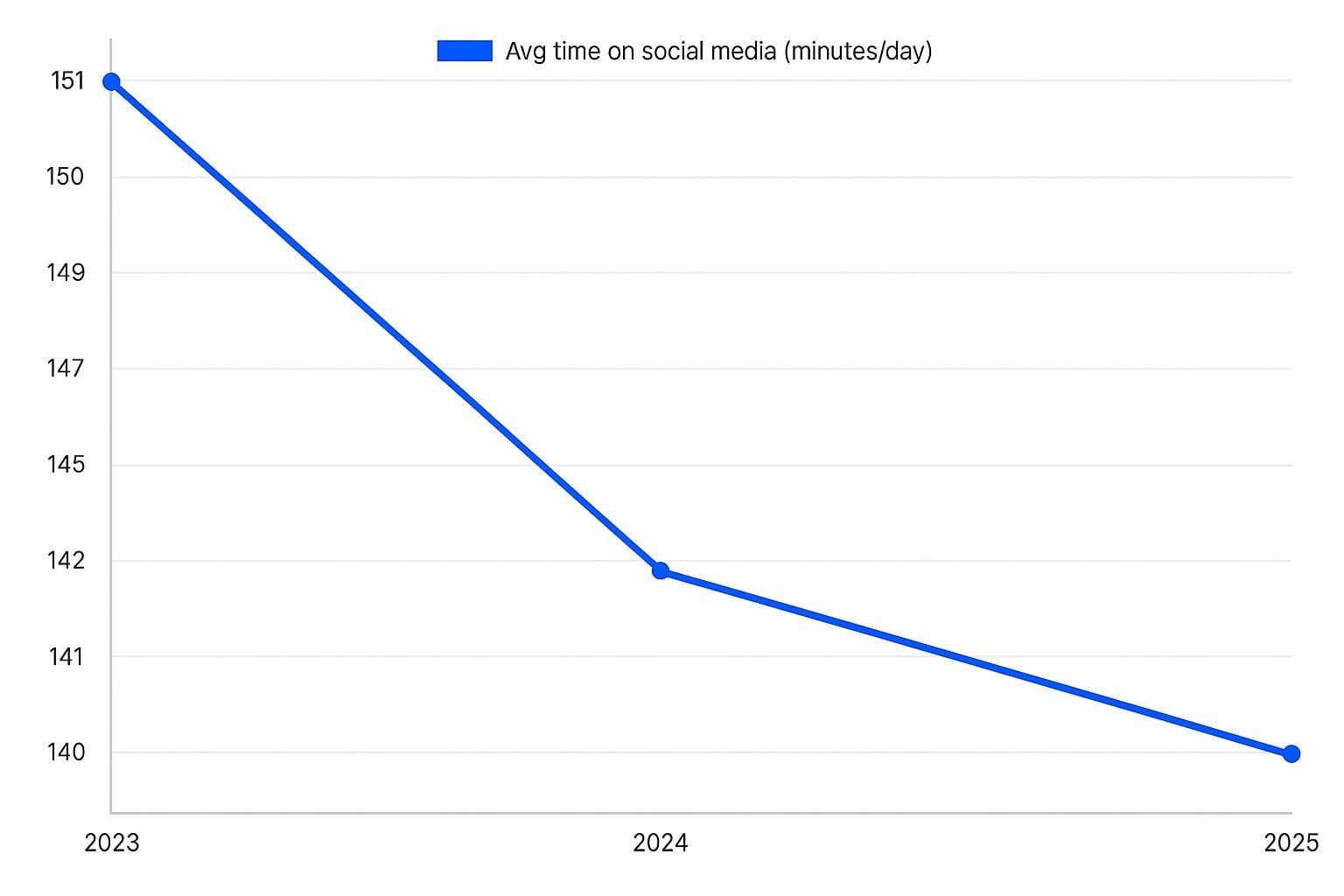
Most teams treat fatigue as a short term KPI dip. CTR drops, CPM climbs, conversions slow. But the platform optimizes toward user experience signals. Repeated indifference compounds into weak engagement signals. Hides and reports are negative feedback. Both reduce your ability to win clean inventory at efficient prices.
When fatigue hits, many accounts respond with louder claims, heavier discounts, and repeated hooks. That can increase skepticism and reduce on site intent, which adds attribution noise and pushes more spend into low quality impressions. Even if last click looks fine, on platform trust decay can raise costs and cap scaling.
Reputation damage usually shows up as rising CPMs, falling conversion rates, and reduced delivery stability. If you normalize those conditions, you start chasing targeting and budgets while the real constraint is creative saturation.
How to detect and manage fatigue before it compounds
Managing fatigue is an operating cadence, not a one off refresh. The goal is novelty for the user without breaking measurement. That means tracking leading indicators, planning throughput, and rotating concepts with intent.
A practical fatigue management workflow
- Set a fatigue baseline per audience: Track frequency, CTR trend, CVR trend, and cost per result by audience segment so you can see when decline is audience specific, not account wide.
- Define “refresh triggers”: Pre commit to thresholds, for example CTR down 25% over 7 days or frequency above a set level, so you act early rather than after performance collapses.
- Rotate by concept, not just format: Swapping image to video without changing the idea rarely fixes it. Build new angles, proof, and hooks so the message actually feels new.
- Preserve learning with controlled iteration: Keep one variable constant, offer, audience, or landing page, while changing creative elements, so you know what repaired the decline.
- Audit user feedback signals weekly: Monitor hides, reports, and comment sentiment where available. These are early warnings of reputation impact, not just engagement dips.
Actionable insight: if performance drops after saturation, first isolate whether decline is limited to one audience or broad across the account. Broad decline is usually creative wear or message mismatch, not a targeting failure. That prevents wasteful audience expansion that inflates costs.
Actionable insight: build a creative coverage map so each funnel stage has multiple concepts in rotation. If prospecting fatigues, retargeting gets starved of fresh users and the whole system decays in a way that can look like a site or offer issue.
Common mistakes that accelerate reputation decline
Most accounts do not get punished by one bad ad. They get punished by repeated patterns that reduce novelty, increase annoyance, and create inconsistent signals for the platform.
Over serving a single winner is the most common. A top ad can turn into a liability when it carries spend too long. High frequency plus falling engagement drives more negative feedback. Another common miss is refreshing visuals while repeating the same promise. Users recognize the pattern and you still build ad blindness.
Also, do not misread fatigue as macro or seasonality. Seasonality is real, but if frequency climbs while response decays, it is usually creative. When teams respond by forcing budget allocation higher, delivery expands into less responsive pockets, which worsens results and increases complaints.
- Refreshing too late: Waiting for a full collapse means you have already accumulated low quality signals that can take weeks to reverse.
- Changing everything at once: If you swap creative, landing page, and offer simultaneously, you cannot learn what actually recovered performance.
- Using repetitive urgency tactics: Constant “last chance” messaging increases skepticism and can drive negative feedback over time.
- Ignoring placement context: Creative that feels fine in feeds can feel intrusive in short form or story placements, which raises hide and report behavior.
- Letting brand voice drift: Random styles and claims reduce consistency, which weakens trust signals and user recall.
Actionable insight: add a simple complaint rate check during scaling. If negative feedback rises while efficiency worsens, rotate concepts before increasing budgets. This protects delivery health and reduces long term cost inflation.
How to improve reputation and performance over time
When fatigue is managed proactively, creative becomes a lever for reputation, not just CTR. The target is steady positive signals that support scale: engagement, relevance, and confident clicks that convert with less volatility.
Build a repeatable system for variation. Variation is not randomness. It is planned exploration across motivations, objections, and proof types so more users see something that matches intent. That supports relevance, reduces annoyance, and improves volume stability.
- Build a concept pipeline: Keep 5 to 10 concept briefs ready at all times, pain point, promise, proof, CTA, so production does not stall and fatigue does not force rushed ideas.
- Use proof to reduce skepticism: Rotate testimonials, demos, benchmarks, and guarantees. Trust assets often improve both CVR and on platform response.
- Segment creative by intent: Separate prospecting education from retargeting conversion assets so you do not show hard sell ads to cold users repeatedly.
- Measure creative contribution: Use holdouts or structured tests so you can see which concepts lift efficiency, not just which formats get clicks.
- Control frequency with diversification: Add new concepts and angles to spread impressions across assets, lowering repeated exposure to any single ad.
Actionable insight: treat creative as an input to account health, not just a CTR lever. Track creative health next to CPA and ROAS, including frequency trend, engagement decay rate, and comment sentiment. Stable performance often follows stable user experience signals.
Actionable insight: if costs inflated after months of fatigue, run a recovery cycle. Pause the most saturated ads, launch 3 to 5 new concepts tied to top customer motivations, and keep targeting stable for two iteration cycles. Judge recovery by CPM stabilization and CVR improvement, not by a short lived CTR spike.
Creative fatigue damages account reputation because platforms learn from aggregate user behavior. If your ads feel repetitive or misaligned, you collect weaker engagement and stronger avoidance signals. That compounds into higher costs and less reliable delivery.
The best teams prevent this with clear triggers, concept level rotation, and a pipeline that maintains novelty without breaking brand consistency. If you want help building a creative system that protects performance and strengthens account reputation, Contact us