
Fast Scaling. The Top Cause of Account Restrictions
Fast scaling drives restrictions when velocity outpaces trust. Learn ramps, billing and identity stability, and guardrails to protect delivery and spend.
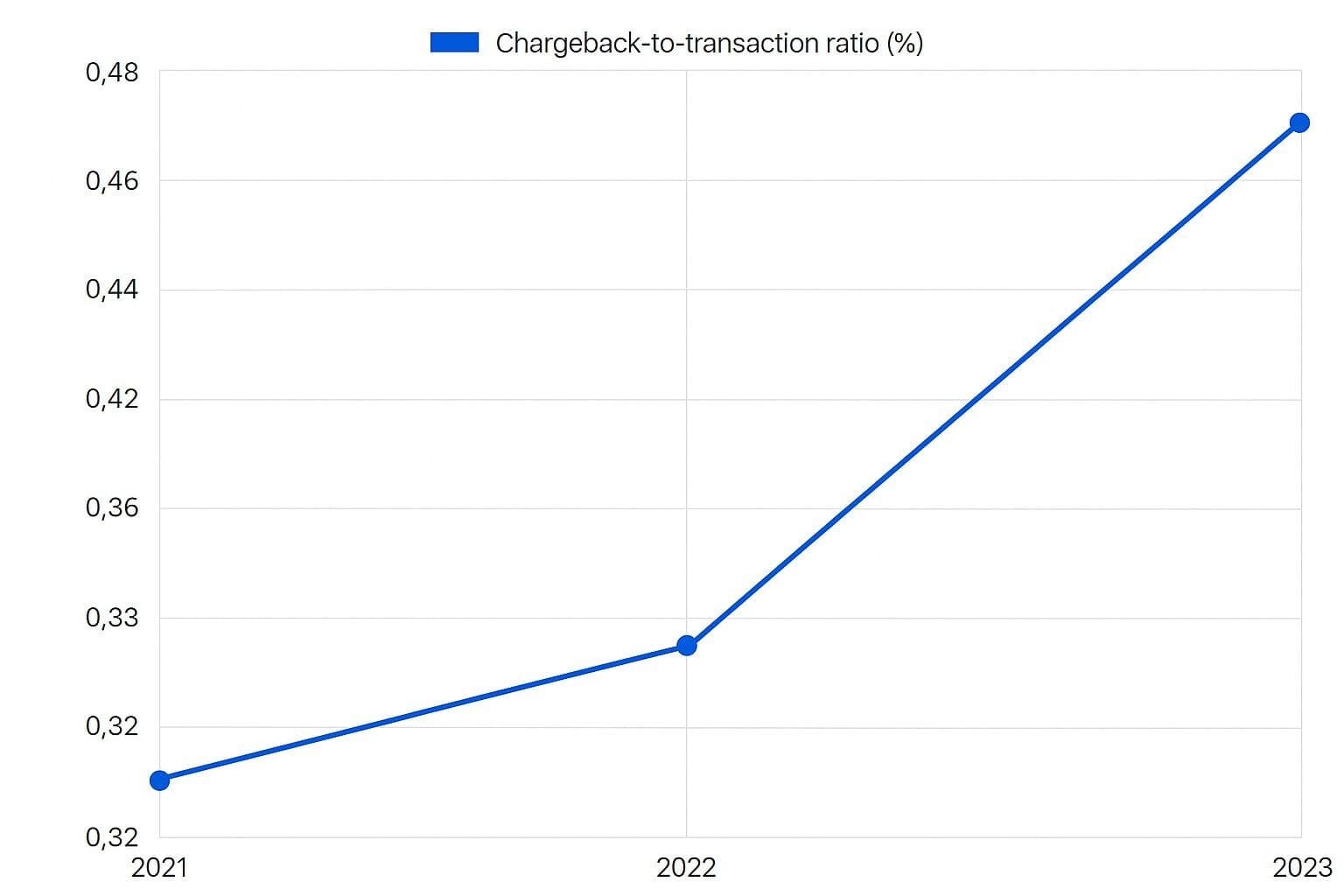
Fast scaling is treated like a win in paid media and marketplaces. In practice, it is also the most common pattern behind sudden account restrictions, payment holds, ad disapprovals, and repeated verification loops.
Platforms optimize for user safety and ecosystem stability. When your spend, activity, or reach jumps too fast, automated systems read it as fraud risk, compromised access, policy evasion, or low quality traffic. The outcome is not always a permanent ban, but it will cut delivery right when you are trying to add volume.
This breaks down why rapid expansion trips risk controls, how to scale inside trust thresholds, and which operational signals to stabilize before you push budgets or volume.
Why fast scaling triggers automated risk systems
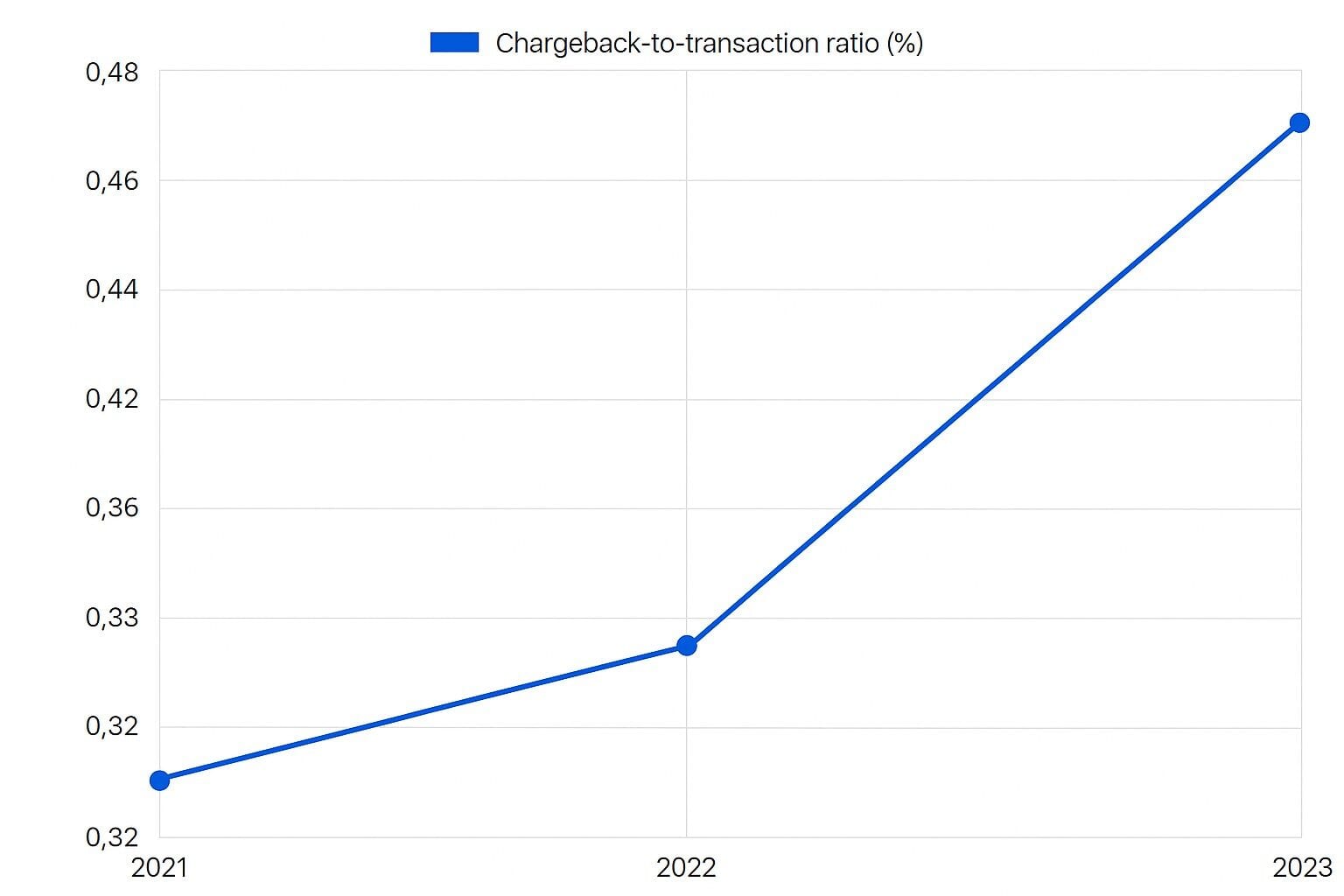
Most platforms run layered enforcement. Policy checks, billing checks, identity checks, and behavior anomaly detection. When you scale too quickly, you change multiple signals at once, and the account can get classified as high risk even when you are compliant.
Fast scaling creates spikes that do not look organic. A step change in daily spend, a sudden geography expansion, or a burst of approvals can mirror the patterns of bad actors trying to extract value before they get caught. Velocity is often weighted as heavily as your ad content.
It also hits user experience signals. If you scale before your funnel is stable, you get attribution noise, weaker CPA control, more refunds, more chargebacks, and lower engagement. Those downstream signals raise enforcement sensitivity. Platforms do not just evaluate what you do. They evaluate how quickly you do it.
How to scale safely in practice
Safe scaling is not about moving slow forever. It is about sequencing growth so account trust, billing reliability, and user experience improve with volume. Ramp with intent, keep iteration cycles clean, and protect volume stability.
A practical scaling checklist that reduces restriction risk
- Ramp budgets in controlled increments: increase spend gradually and keep a consistent cadence so the platform sees stable behavior rather than abrupt anomalies.
- Stabilize payment methods before scaling: use a long lived card or invoicing where possible, maintain sufficient funds, and avoid frequent payment profile edits that trigger billing risk checks.
- Limit simultaneous major changes: do not change creatives, landing pages, targeting, and budget all at once. Isolate variables so performance and compliance signals stay interpretable.
- Warm up new domains, pages, and tracking: launch with lower volume to validate load speed, redirects, pixel events, and policy safe claims before expanding reach.
- Build verification readiness: ensure business details, website ownership, and identity documents are accurate and consistent across profiles so you can pass KYC verification quickly if triggered.
To gauge whether your ramp is safe, watch leading indicators. CPM inflation, longer review times, more disapprovals, more payment retries, or sudden delivery volatility. When those show up, slow the ramp, reduce testing velocity, and get signal stability back before you push harder.
Document changes. Keep a tight change log for budget allocation moves, creative swaps, audience expansions, and site edits. If you get restricted, a clean timeline helps you isolate the trigger and write a coherent appeal.
Common mistakes that cause restrictions during scaling
Restrictions rarely come from one action. They come from stacked risk signals created by aggressive growth. Avoid the patterns below if you want to keep spend climbing without losing access.
Mistake 1: Doubling spend repeatedly without proving quality. If CPA drifts, conversion integrity looks weak, or complaints rise, the surge reads as low quality traffic or manipulation. What to do: scale only after tracking is stable and refund and dispute rates are acceptable.
Mistake 2: Rapidly cloning campaigns and creatives. Bulk duplication can look like evasion or automation abuse, especially with frequent edits. It also accelerates creative fatigue and signal decay when everything launches at once. What to do: reuse proven structures, introduce new campaigns in batches, and keep naming and governance tight to signal legitimate operations.
Mistake 3: Landing page volatility. Constant offer changes, aggressive claims, or multiple redirects increase policy and security risk. What to do: lock the core funnel before scaling and review pages against platform rules for claims, transparency, and contact details.
Mistake 4: Switching business identities or locations mid ramp. Mismatched addresses, brand names, or legal entities are classic triggers for identity reviews. What to do: standardize business identity consistency across the ad account, website, payment profile, and public facing pages.
Mistake 5: Ignoring account health warnings. Small signals like ad rejections, learning limited delivery, or more verification prompts often precede restrictions. What to do: treat these as stop signs, fix the root cause, then resume scaling with a calmer pace.
Optimization strategies for scaling without losing access
Once the base is stable, you can scale harder by improving predictability and reducing risk flags. You want growth to look like a real business expanding, not an account trying to force volume.
- Create a scaling schedule: define budget ceilings and weekly ramps, and stick to them so the system sees consistent behavior and fewer anomaly spikes.
- Strengthen post click experience: improve page speed, clarity of offer, and customer support visibility to reduce refunds, chargebacks, and negative feedback that can trigger platform enforcement.
- Segment expansions: scale one dimension at a time (budget, geography, audience, placements) so you can attribute changes and avoid compounding risk signals.
- Use redundancy responsibly: build business manager structure, access controls, and backups for pixels and catalogs, but avoid spinning up multiple accounts to test at high volume, which can resemble circumvention.
- Monitor trust metrics: track disapproval rate, payment failures, review time, refund rate, and customer complaints. Set thresholds that automatically pause scaling when risk indicators rise.
Advanced teams invest in governance. Limit admin access, require two factor authentication, and formalize who can edit billing, domains, and business details. This reduces the odds of compromised access, where fast scaling plus unusual logins can trigger an immediate restriction.
If you need to push spend quickly for a time sensitive promotion, pre warm the account. Run stable activity for weeks beforehand, keep creatives policy clean, and line up support channels where available. It does not guarantee immunity, but it improves your risk profile under rapid demand.
Fast scaling becomes dangerous when it outpaces trust. The safest path is to grow in a way that keeps billing, identity, and user experience signals steady while volume increases. When you scale with structure, you protect performance and continuity of access.
If your account is already restricted, or you want a scaling plan that protects delivery while increasing spend, Contact us