
Google Ads Account Trust. What Quality Score Misses
Learn how Google Ads account trust impacts volume stability, CPA control, and scaling. Reduce policy friction with better billing, verification, and ops.
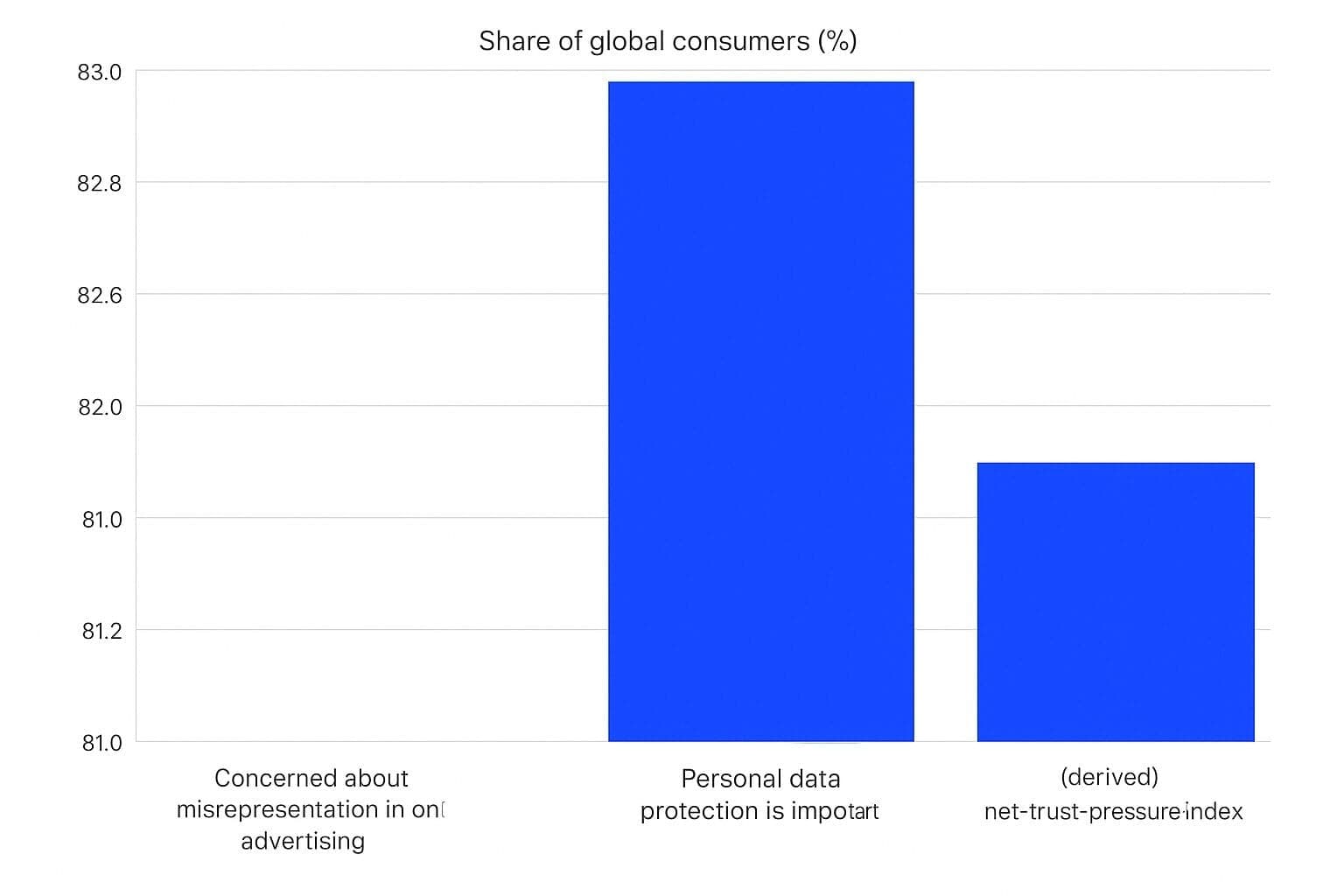
Most advertisers obsess over Quality Score because it is visible, measurable, and tied to cost per click. But Google Ads account trust is what decides whether those optimizations hold under budget pressure, keep CPA controlled, and avoid constant compliance interruptions.
Quality Score is auction level. It tells you how Google expects a keyword and ad to perform in that moment. It does not capture how Google evaluates your advertiser history, payment behavior, compliance patterns, and overall operating consistency. In practice, account trust signals show up as faster learning, fewer eligibility limits, cleaner reviews, and more stable volume when you increase spend.
If your account feels fragile despite solid ads and landing pages, the missing piece is rarely another headline iteration cycle. It is trust building operations that reduce platform risk and protect delivery.
Why account trust matters beyond Quality Score
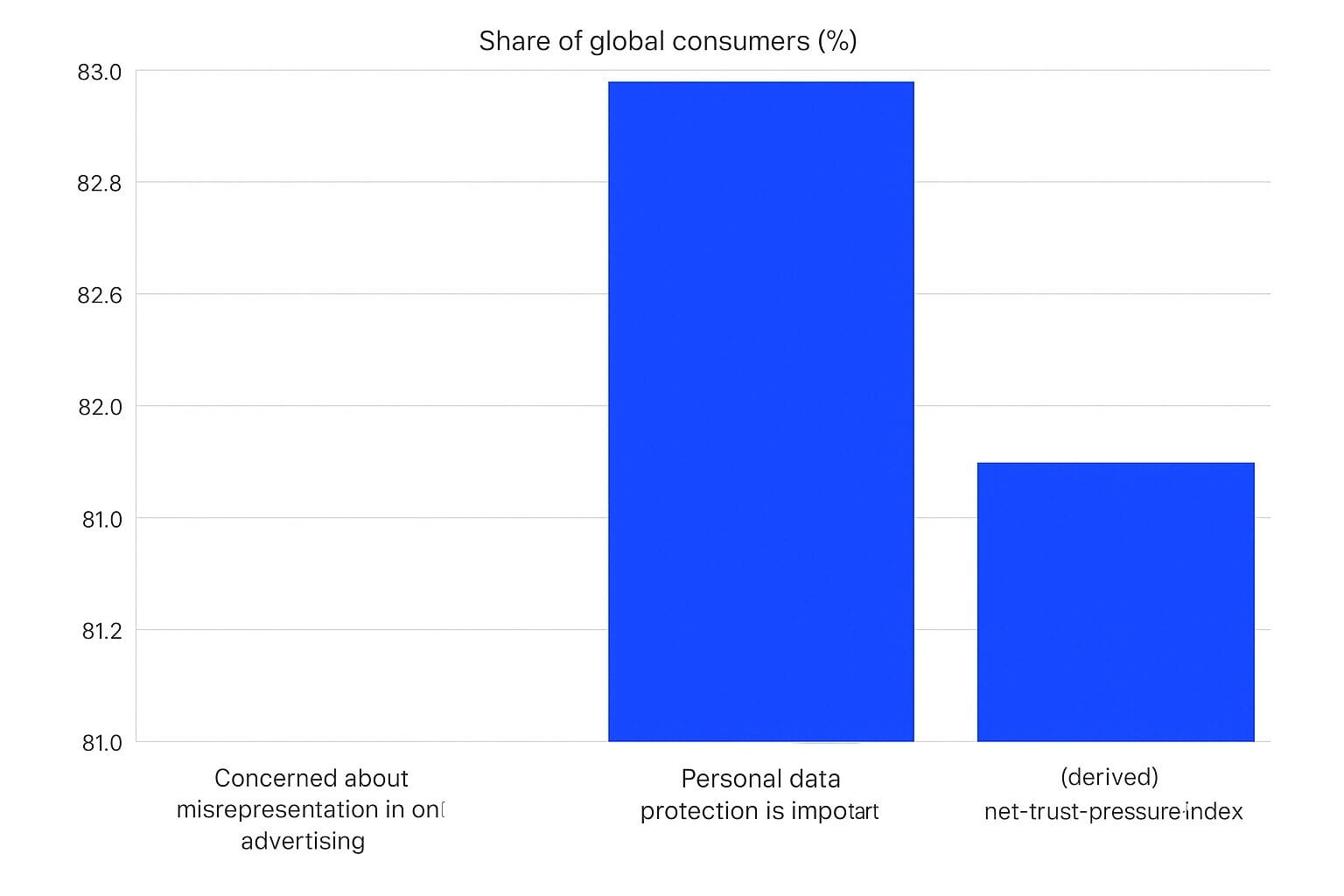
Quality Score is keyword level and auction focused. Trust is account wide and behavior based. Google is managing user safety, fraud prevention, and regulatory exposure, so it watches patterns that suggest stability. A strong trust profile usually means faster approvals, fewer disruptions, and more dependable delivery when you introduce new offers or reallocate budget.
The problem is you do not get a single trust metric. You see it indirectly through disapprovals, learning volatility, swings in impression share, or repeated verification prompts. Two advertisers can run similar Quality Scores, yet one scales smoothly while the other hits scaling constraints because the account operational signals look risky.
Trust is also an efficiency lever. Even if you win auctions today, weak trust posture can lead to delivery limitations like limited eligibility, delayed reviews, or cascading disapprovals across assets. That creates downtime, attribution noise, and a higher blended acquisition cost.
How to build and evaluate Google Ads account trust in practice
The goal is to look like a consistent, compliant advertiser with clear intent and low risk. That is operations. Not a one time fix. Treat trust like the layer that keeps testing velocity high without resetting learning or triggering review loops.
A practical trust checklist you can implement this week
- Stabilize billing and payments: use a consistent payment method, avoid repeated failures, and keep invoices current to reduce risk flags tied to financial reliability.
- Complete identity and advertiser verification: finish all required verification steps quickly, and keep business details consistent across Ads, Merchant Center, and your website to prevent mismatches.
- Align your website footprint: ensure your domain, legal entity name, contact information, and policy pages are easy to find and consistent, because destination transparency is a common review trigger.
- Reduce aggressive change velocity: avoid making large, simultaneous edits to budgets, bids, ads, and landing pages. Stage changes to preserve account stability and keep learning predictable.
- Audit policy risk before launching: pre check claims, pricing, guarantees, and restricted terms on landing pages and in ad copy so reviews do not turn into repeated disapprovals.
To evaluate trust, look for patterns, not isolated events. Frequent eligible limited statuses, recurring re reviews, or sudden drops after minor edits often point to underlying risk signals. Keep a simple log of major changes, budget moves, and policy events so you can tie delivery shifts to specific actions instead of guessing.
Common trust killers and how to avoid them
Most accounts hit friction because they move fast without governance. Or because assets get outsourced and shipped without a compliance pass. Or because teams reuse templates across multiple brands and create inconsistent footprints.
- Inconsistent business identity: different company names, addresses, or contact details across properties can lead to verification loops and slower approvals.
- Landing pages that overpromise: exaggerated claims, unclear pricing, or missing terms can trigger misrepresentation concerns even if your product is legitimate.
- Repeated policy edge testing: launching near restricted creatives to see what passes can degrade trust over time and create a history of noncompliance.
- Sudden scaling spikes: abrupt budget jumps, mass campaign duplication, or rapid geo expansion can resemble compromised accounts or fraud patterns.
- Weak post click experience: slow pages, confusing navigation, aggressive pop ups, or broken checkout flows can reduce user trust and increase scrutiny.
The consequence is rarely one disapproved ad. It is systemic friction. Slower learning, broader asset limitations, or repeated manual reviews that interrupt volume stability. The fix is guardrails, documented compliance standards, and controlled change management you can explain.
Advanced ways to improve trust while scaling performance
Once the basics are in place, treat trust like a lever that protects scaling. The strongest accounts pair performance optimization with risk reduction. Predictable, verifiable behavior keeps delivery stable while you push budget allocation and fight audience saturation.
Here are advanced, actionable improvements that compound over time:
- Create a change management cadence: schedule batch updates weekly, not daily. This reduces volatility and makes it easier to attribute performance changes to specific actions.
- Use structured experiments: test new claims, offers, or landing page variations via controlled splits so you can isolate policy or conversion impacts without destabilizing the whole account.
- Segment by risk profile: isolate higher risk keywords, offers, or geos into separate campaigns so policy reviews or limitations do not spill into core revenue campaigns.
- Standardize compliance QA: maintain a checklist for regulated language, pricing clarity, refund terms, and brand transparency. This reduces rework and supports consistent approvals.
- Strengthen owned signals: implement accurate conversion tracking and enhanced conversions where appropriate. Better measurement reduces signal decay, improves bidding confidence, and limits erratic optimization behavior.
- Build a documentation trail: keep records of verification, policy communications, and major edits. It helps resolve disputes faster and supports account resilience during reviews.
As you scale, the principle is to make account behavior boring in the best way. Predictable payments, consistent identity, clear user experience, and controlled iteration cycles. When you do that, Quality Score work compounds instead of getting wiped out by review delays and delivery resets.
Quality Score still matters, but it is not the whole story. If performance feels unstable, approvals feel inconsistent, or budget increases trigger setbacks, the missing lever is often Google Ads account trust. Improve consistency across billing, verification, policies, and operational discipline to reduce friction and keep volume stable.
If you want help diagnosing hidden trust issues, cleaning up policy risk, and building a scaling plan that keeps performance steady, Contact us