
How Affiliate Marketers Adapt to Stricter Enforcement
Media buyer playbook for stricter enforcement: compliant funnels, disclosure placement, claims proof, partner controls, and KPIs to protect spend.
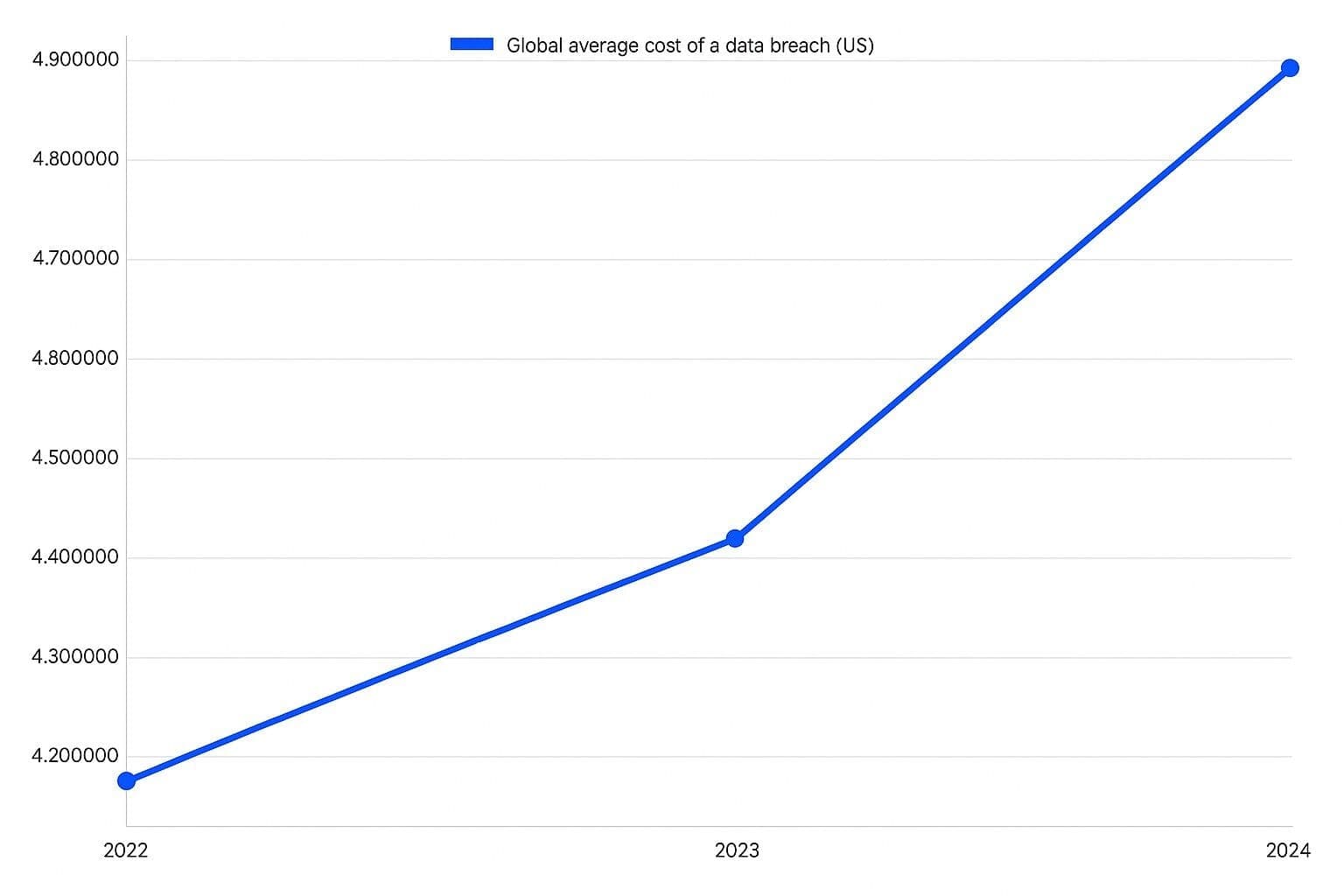
Stricter enforcement is reshaping affiliate marketing across finance, health, gaming, subscriptions, and retail. Platforms, regulators, and networks are tightening rules on disclosures, claims, targeting, and data handling, with more automated reviews. Compliance is no longer a back office task. It is a scaling constraint that directly impacts volume stability, CPMs, and payment risk.
The affiliates still growing are treating enforcement as a build spec. They are rebuilding creative and landing pages for approval speed, tightening partner controls, and grading traffic quality with the same discipline they use for CPA control. Adapting means fewer surprises in review, fewer payout holds, and fewer forced resets in iteration cycles.
This article covers what is changing, what to do next, and how to pressure test whether your program is resilient. The goal is not to go soft. The goal is to keep testing velocity high while meeting modern expectations for truthful advertising, clear disclosures, and auditable processes.
Why stricter enforcement is changing affiliate marketing
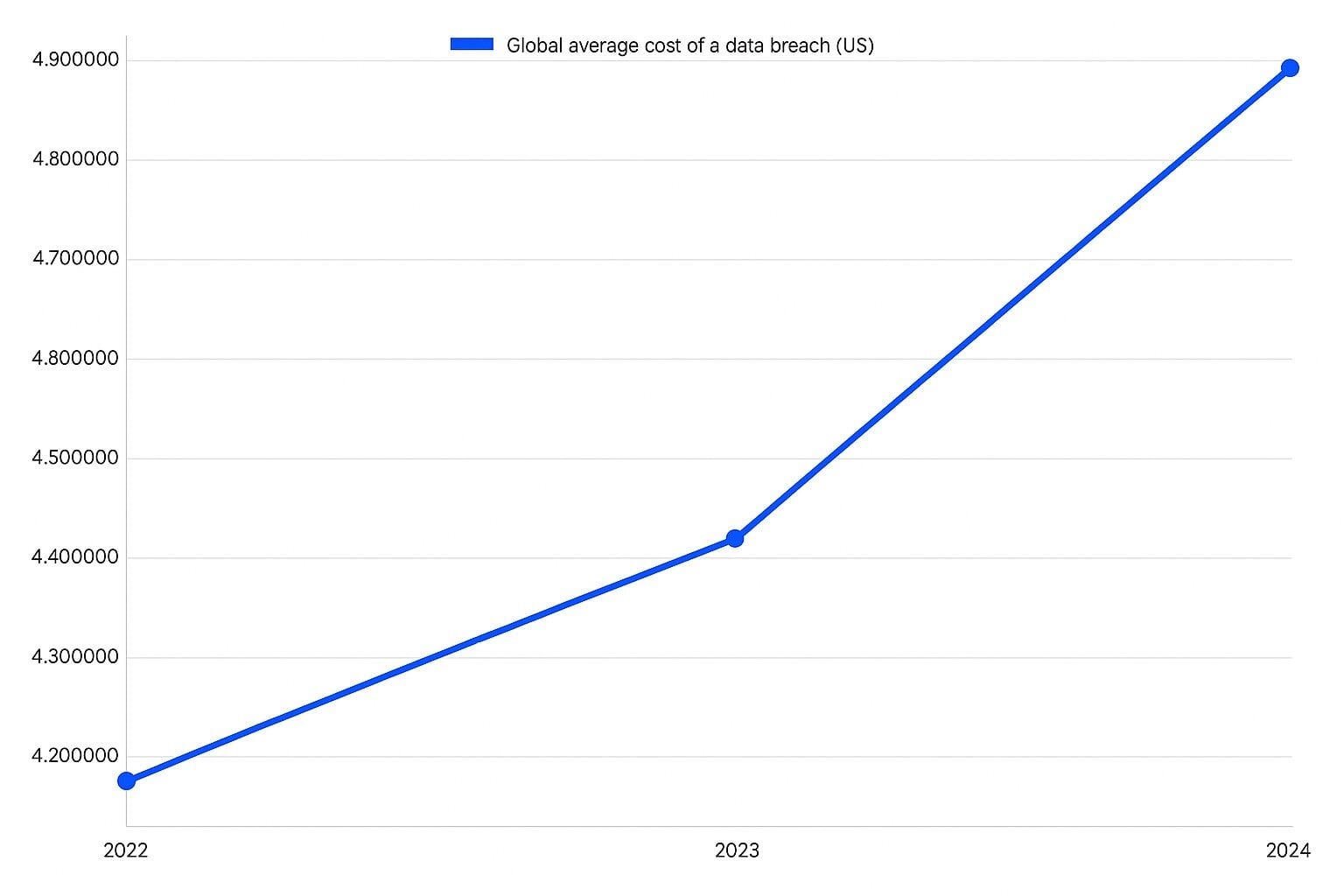
Enforcement is tighter because the ecosystem is mature and the downside is measurable. Regulators are pushing on deceptive claims and undisclosed endorsements. Platforms want fewer complaints, fewer chargebacks, and lower user harm. Ad review is also driven by classifiers now, so borderline tactics that used to pass will fail at scale and drag down account trust.
The biggest shift is that performance now depends on compliance by design. Align every step in the funnel, from the ad and pre sell to the landing page, checkout, and follow up. One weak link can kill delivery via account suspensions, payment holds, or reach throttling that looks like signal decay and makes attribution noise worse.
There is also a higher bar for proof. Networks and brands want documented rationale for claims, evidence of consumer consent, and traceability of traffic sources. If you can produce claim substantiation and traffic source transparency on demand, you keep offers live, keep caps, and negotiate from a position of control when issues hit.
Building a compliance first affiliate operating system
Adapting is not a one time cleanup. It is a workflow that stops policy issues before they ship, so you do not lose spend days to rejections and emergency rebuilds. Map where enforcement can happen, then standardize approvals and monitoring so you can respond fast without guesswork.
A practical process you can implement this week
- Audit your funnel end to end: review ads, pre sell pages, landing pages, and emails for prohibited claims, missing disclosures, and unclear pricing. Reviewers judge the full user path, not only the ad.
- Standardize disclosures: place clear affiliate and sponsorship disclosures near the first call to action and on pages where recommendations appear. This reduces deceptive marketing risk and improves pass rates.
- Create a claims library: list every performance, earnings, health, or comparative claim and attach approved wording plus substantiation. This protects iteration speed and keeps creative production consistent.
- Implement pre launch QA: require a checklist pass for policy language, pricing clarity, refund terms, and data collection notices. A simple gate prevents repeat violations and protects account history.
- Strengthen partner onboarding: require traffic source declarations, allowed creatives, and prohibited tactics in writing. This limits the blast radius of one partner and keeps budget allocation predictable.
- Track enforcement signals: monitor disapprovals, limited delivery, rising refund rates, and compliance tickets. These usually show up before a full suspension, giving you time to fix without losing volume.
To judge if the system is working, track two numbers: rejection rate per iteration cycle, and time to ship a compliant replacement. Faster swaps with fewer violations preserves testing velocity and keeps spend stable.
Common risks and mistakes that trigger enforcement
Most enforcement does not come from obvious fraud. It comes from repeated small misses that become a pattern. Platforms penalize accounts with recurring violations, and regulators look for systemic behavior like vague disclosures or exaggerated results.
Watch for these high risk behaviors:
- Overstated outcomes (earnings, weight loss, guaranteed results): even implied certainty can violate policies. Use qualified language and keep outcomes representative and supportable.
- Weak disclosure placement: disclosures buried in footers or behind links are often treated as insufficient. Put them where users see them before taking action.
- Misleading “before and after” or testimonials: user stories can require context, typicality statements, and proof. Without that, they become a liability under stricter enforcement.
- Unclear pricing and billing terms: trials, subscriptions, and upsells must be unambiguous. Confusing checkout flows drive chargebacks and accelerate scrutiny.
- Unvetted sub affiliates: if you allow downstream partners, you inherit their risk. Weak controls can lead to offer termination or network bans.
When something breaks, do not just rotate minor variations. Automated review will connect near duplicates and compound account risk. Do a root cause fix, document it, and rebuild the asset with policy safe creative and compliant copy.
Scaling safely: optimization strategies under strict enforcement
Once the compliance floor is stable, you can still optimize hard without inviting avoidable bans. Separate performance experimentation from policy risk by testing inside an approved framework, so scaling does not turn into constant resets.
Use these advanced improvements to scale with confidence:
- Build vertical specific creative templates: create approved structures for sensitive categories like health, finance, and claims heavy offers. Consistent compliant patterns reduce review friction and speed deployment.
- Adopt “evidence first” copywriting: write benefits you can prove, and tie messaging to product documentation, FAQs, and terms. This improves trust signals and reduces disputes.
- Segment by intent, not just volume: prioritize audiences that match realistic outcomes and eligibility. Better alignment reduces complaints and keeps CPA control as you scale.
- Use compliance KPIs alongside ROAS: track rejection rate, refund rate, complaint rate, and time to fix. These show scaling ceilings before enforcement hits and before you burn budget into throttled delivery.
- Design safer funnels: simplify steps, clarify terms early, and reduce surprise upsells. Cleaner UX is often a compliance win and a conversion win.
- Maintain an escalation playbook: keep logs of approvals, substantiation, and change history so you can respond fast to network or platform inquiries. Speed plus documentation can prevent long downtime and protect volume stability.
Treat compliance as a partnership strategy. Brands and networks reward affiliates who protect reputation and reduce refunds. If you can show auditable compliance and consistent user outcomes, you will be first in line for higher caps, better placements, and early access to new offers.
Stricter enforcement is not temporary. It is the baseline for affiliate marketing now. Teams that systemize disclosures, substantiation, partner controls, and fast remediation keep accounts healthy and protect revenue through policy shifts.
The practical path forward is clear: map your risk points, standardize reviews, document claims, and monitor enforcement signals as closely as you monitor ROAS. If you want help setting up a compliance-first growth engine that still scales, Contact us