
How Native Traffic Is Reshaping Affiliate Funnels
For media buyers, native traffic improves funnel efficiency when ad to prelander alignment, clean tracking, and fast creative iteration protect CPA and scale.
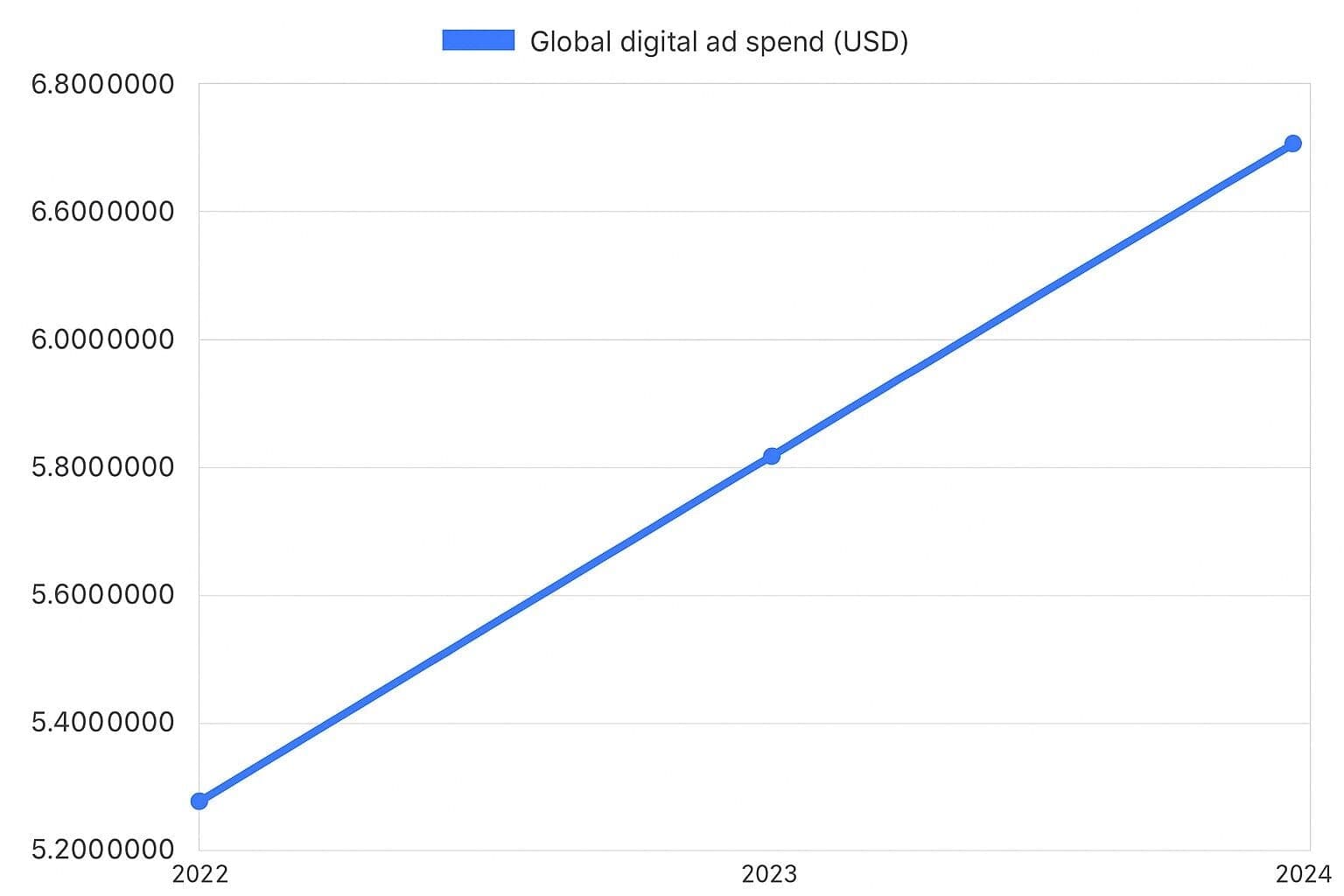
Native traffic is reshaping affiliate funnels because the first click is no longer an obvious ad interaction. It is a content led entry where intent is built through context, relevance, and a message that matches the feed.
For affiliates buying at scale, this is leverage. You can run a tighter path to conversion while keeping volume stability and avoiding early signal decay. The tradeoff is discipline in funnel design, testing velocity, and clean attribution. When it is built correctly, native to prelander to offer flows beat direct linking by improving click quality, reducing bounce, and stabilizing conversion rates under spend.
Treat native as a full funnel channel, not a top funnel traffic source. Align ad promise with content intent, then make the landing experience deliver exactly what the click implied.
Why native traffic changes the economics of affiliate funnels
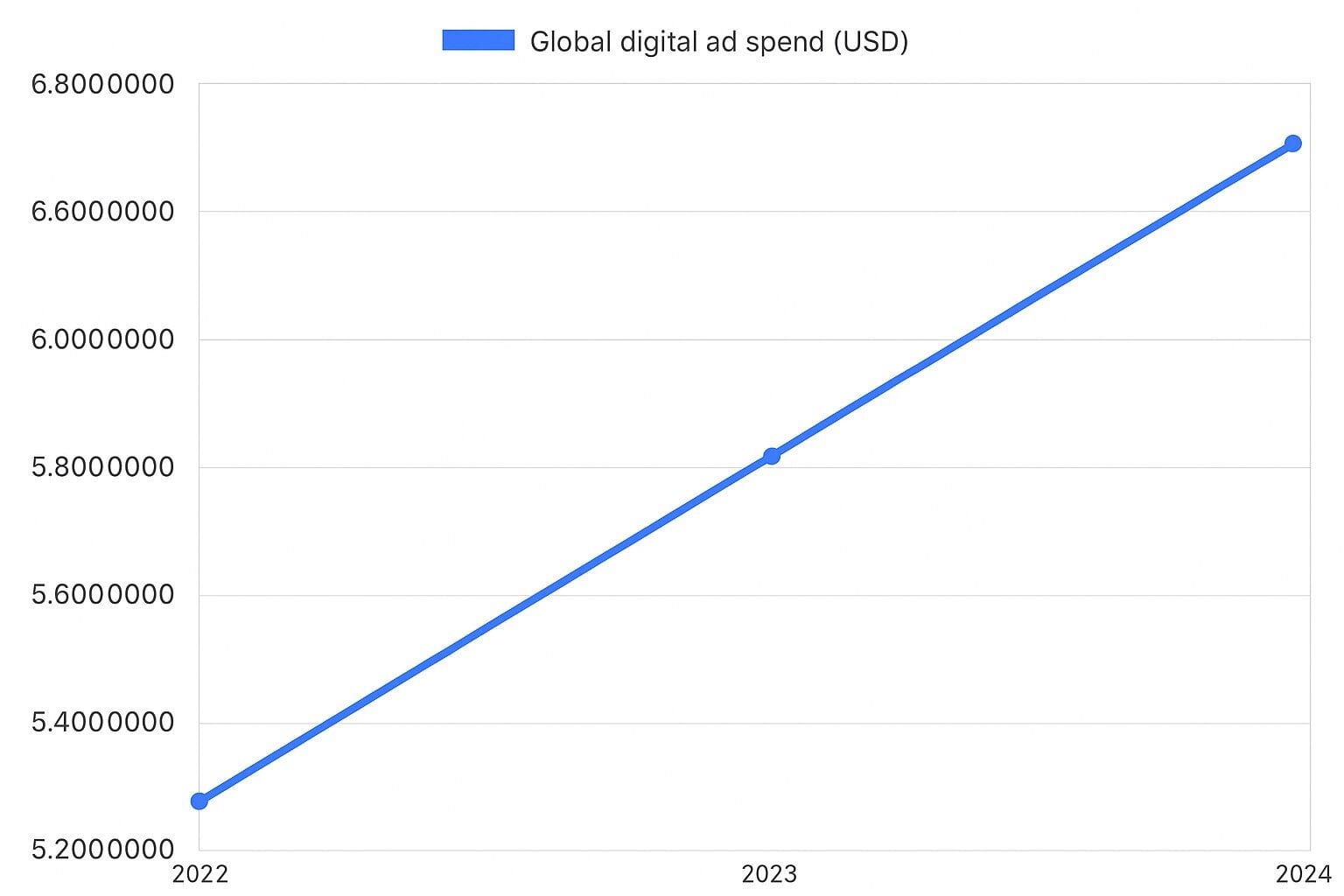
Native platforms reward experiences that feel native to the feed. That pushes you away from aggressive claims and toward message to market fit. If your creative reads like content, users land warmer, but tolerance for mismatch is low and performance drops fast when coherence breaks.
The measurement mindset shifts. You are not buying the cheapest clicks, you are buying downstream performance. Track earnings per click, lead quality, approval rate, and net revenue after refunds. Accept higher CPC when it buys higher intent sessions and tighter CPA control.
Native also gives you a scaling advantage through angle breadth. You can generate many creative angles and run across diverse placements without relying on fragile targeting. The constraint is iteration cycles. Small mismatches between ad and page create attribution noise and the platform reallocates delivery away from you.
How native driven affiliate funnels work in practice
Most native funnels win by engineering a clean transition from curiosity to proof to action. The user clicks on a premise that feels relevant, then the prelander delivers clarity and trust fast, then the next step feels earned instead of forced.
A practical build process you can implement this week
- Start with one intent theme (problem, desire, comparison, or discovery) and build 3 to 5 ad variations for it, because native algorithms need pattern recognition to optimize and you need clean learnings.
- Use a prelander that matches the ad format (news style, quiz, tutorial, review), because consistency reduces cognitive friction and improves time on page, which typically lifts offer clicks.
- Place the offer after a “proof block” (testimonials, demo, key benefits, comparison table style copy), because native users often need validation before taking an action that feels commercial.
- Instrument every step with click IDs and events for ad click, prelander engagement, offer click, and conversion, because you cannot optimize what you cannot attribute.
- Optimize to earnings per session, not CTR alone, because high CTR can be misleading if the traffic does not convert or gets rejected downstream.
Actionable insight: build your prelander to answer the single question native users ask with their behavior. “What do I get if I keep going.” Make the first screen deliver one clear value proposition plus a credible reason to believe, then invite the next click.
Actionable insight: use two step CTAs on prelanders (soft click like “See options” then hard click like “Get pricing”) to pre qualify users. This often improves lead quality and reduces refund or decline rates on sensitive offers.
Risks and mistakes that break native affiliate performance
Native funnels fail more from misalignment than from lack of volume. The most common failure is when the ad promises one thing and the landing experience delivers another. That mismatch drives fast exits, weak engagement signals, and delivery that gets throttled.
Another risk is optimizing on the wrong KPI. If you chase cheap clicks, you often buy low intent users who inflate costs later through weak conversion quality, lower approval rates, and more refunds. You can also get trapped in creative churn where you rotate ads without understanding what moved the number.
Critical warning: compliance is not optional. Native networks and affiliate programs are strict about claims, disclosures, and user expectations. Short term wins from overpromising convert into account risk, clawbacks, and broken datasets.
- Overhyped headlines that spike CTR but collapse on page engagement, causing the platform to throttle spend and raising effective CPMs.
- Direct to offer linking without context, which often converts worse in native because users were primed for content, not a sales page.
- Weak tracking hygiene (missing click IDs, broken postbacks, no event funnel), which leads to false conclusions and wasted budget.
- Ignoring approval and refund signals, which can make a funnel look profitable short term while it quietly degrades net revenue.
Actionable insight: audit “ad to first 5 seconds” alignment. If bounce is high, rewrite the top of the prelander to restate the ad promise in the same language, then immediately add proof. This often improves offer click through rate without touching the ad.
Optimization and scaling strategies for modern native funnels
Scaling native traffic is less about finding one winner and more about building a repeatable system for generating, validating, and expanding angles. Treat every test as a controlled experiment. One variable changes, everything else stays stable, and results are judged on net downstream value.
Actionable insight: create an angle library from performance data. Tag every ad and prelander by hook type, audience pain point, and offer positioning. Over time, this becomes a blueprint for creative iteration that improves testing velocity and reduces guesswork.
Actionable insight: add engagement based routing. If a user scrolls or spends time, send them to a longer proof path. If they click quickly, send them to a shorter bridge page. This improves funnel efficiency by matching depth to intent.
Actionable insight: optimize the prelander for speed and clarity before you optimize copy. Slow load times and layout instability erase gains from better messaging, especially on mobile heavy native placements.
- Expand winners laterally by cloning the same angle into multiple formats (listicle, how to, comparison) to capture more placements without resetting learning.
- Use cohort analysis (by placement, device, and publisher block) to identify where quality comes from, then shift budget toward segments with stronger downstream ROI.
- Refresh creatives predictably on a schedule tied to frequency and CTR decay, because creative fatigue is inevitable and proactive refreshes stabilize volume.
- Negotiate with your offer stack by testing adjacent offers or upsells once you have stable traffic, increasing revenue per click without increasing spend.
- Guardrail with net metrics like approved conversions, refunds, and chargebacks, because these determine real profitability and account longevity.
Native traffic is reshaping affiliate funnels by forcing a more user centric journey. Content first, proof next, conversion last. Buyers who build alignment, tracking, and iteration into the process get a durable edge because performance becomes something you can systematically control.
The strongest funnels treat native as a relationship with the algorithm and the audience. When your creative earns the click and your prelander earns the next click, you get scalable growth with cleaner conversion quality and fewer budget surprises.
If you want help designing, tracking, or scaling native driven affiliate funnels with a repeatable testing system, Contact us