
How Platforms Reward Long Term Advertisers
How platforms reward long term advertisers: steadier delivery, lower CPA variance, faster learning, and cleaner scaling. Practical steps for daily media buyers.
Ad platforms are built to maximize predictable, high quality revenue. They tend to reward advertisers who keep spend consistent, protect signal quality, and stay clean on policy over time. If you manage budget daily, the upside shows up as tighter CPA control, steadier volume, and fewer surprise swings when you scale.
There is no secret VIP switch. It is the compounding effect of trust signals and consistent performance data inside an auction system. When your account behaves predictably, the platform can allocate inventory with more confidence. That usually means better delivery stability, less learning volatility, and more usable iteration cycles.
This breaks down what those rewards look like in practice, how to earn them without shortcuts, and how to tell if your account is actually benefiting from long term advertiser dynamics.
Why platforms value long-term advertisers
Most auctions weigh more than bid and budget. Over time, platforms learn how your ads, landing pages, and conversion events behave, plus how users respond. That history becomes account level signals that influence how smoothly you enter auctions, how quickly new campaigns learn, and how reliably spend can be delivered.
Long term advertisers create fewer operational problems. Fewer payment issues, fewer policy hits, fewer abrupt pauses, and more stable conversion patterns. For you, the reward is usually more stable CPMs and CPCs, fewer delivery cliffs, and a better ability to expand audiences without restarting performance every week.
They also run tighter feedback loops. More clean conversion volume reduces uncertainty, improves model confidence, and helps you win impressions that match your objective. This is not favoritism. It is the math of better training data and lower variance.
How to earn and measure long-term advertiser benefits
To get the long term advantages, you have to be a reliable participant in the auction. Consistent budget allocation, policy compliance, and stable optimization inputs. The goal is to compound learnings, not reset them through constant rebuilds.
A practical process to build platform trust over time
- Keep spend changes gradual: Increase budgets in controlled steps, for example 10 to 30 percent at a time, so the system can adapt without pushing you back into unstable learning.
- Standardize conversion tracking: Verify pixel and server side events, deduplicate purchases and leads, and keep event definitions stable so optimization is driven by clean signals.
- Maintain a clean policy record: Run pre launch checks, document claims, and avoid repeated disapprovals that reduce delivery confidence.
- Preserve winning structures: Iterate creative and audiences inside stable campaign frameworks instead of rebuilding campaigns weekly and losing historical performance context.
- Measure incrementality, not only ROAS: Use holdouts or geo tests where possible to separate lift from attribution noise and scale responsibly.
To evaluate whether you are getting rewarded, look for auction efficiency improving over time. Steadier frequency distribution, fewer delivery cliffs after edits, and tighter cost bands at the same conversion quality. Also track time to exit learning and CPA variance in the first 3 to 7 days after launching new creatives.
Actionable insight: build a weekly view that compares CPA variance, learning duration, and spend consistency. If variance drops as consistency rises, you are compounding platform confidence.
Risks, mistakes, and limitations to avoid
Longevity alone does not protect you. Platforms still optimize to predicted outcomes and user experience. If your ads deteriorate, you will see CPM pressure, weaker match rates, and throttled delivery regardless of account age.
The biggest risk is breaking continuity. Too many edits kill learning stability and reduce usable signal. Another risk is optimizing purely to platform reported conversions without validating quality, which can inflate reported performance while hurting real margin.
- Chasing constant restructures: Rebuilding campaigns too often discards historical context and can drive higher CPAs and unstable delivery.
- Overreacting to short-term noise: Pausing ads after a single bad day increases volatility and prevents algorithms from stabilizing.
- Ignoring conversion quality: Optimizing to low quality leads or fraudulent purchases damages downstream performance and reduces budget confidence.
- Policy shortcuts: Repeated disapprovals, misleading claims, or landing page issues create lasting account friction.
- Attribution blind spots: Relying on one attribution view can misallocate spend and distort scaling decisions.
Actionable insight: define safe to edit rules. Limit structural edits to set windows, rotate creatives without changing optimization events mid flight, and require a minimum data threshold before decisions. This protects learning stability and keeps improvements from evaporating.
Advanced optimization for long-term scaling
Once stability is in place, the next level is building a system that improves predictability and expands volume without breaking efficiency. Long term accounts usually pull ahead because they run disciplined iteration cycles, manage testing velocity, and keep scaling constraints visible.
Separate exploration from exploitation. Assign a defined test budget to new creatives, offers, and audiences, while keeping core spend steady. That protects volume stability while you find incremental growth levers.
- Create a creative pipeline: Launch new angles on a schedule, watch thumbstop rate and conversion rate, manage creative fatigue, and promote winners into core campaigns without chaos.
- Use value based optimization when appropriate: If you can pass revenue or LTV signals, train the platform to prioritize higher value customers, not just the cheapest conversions.
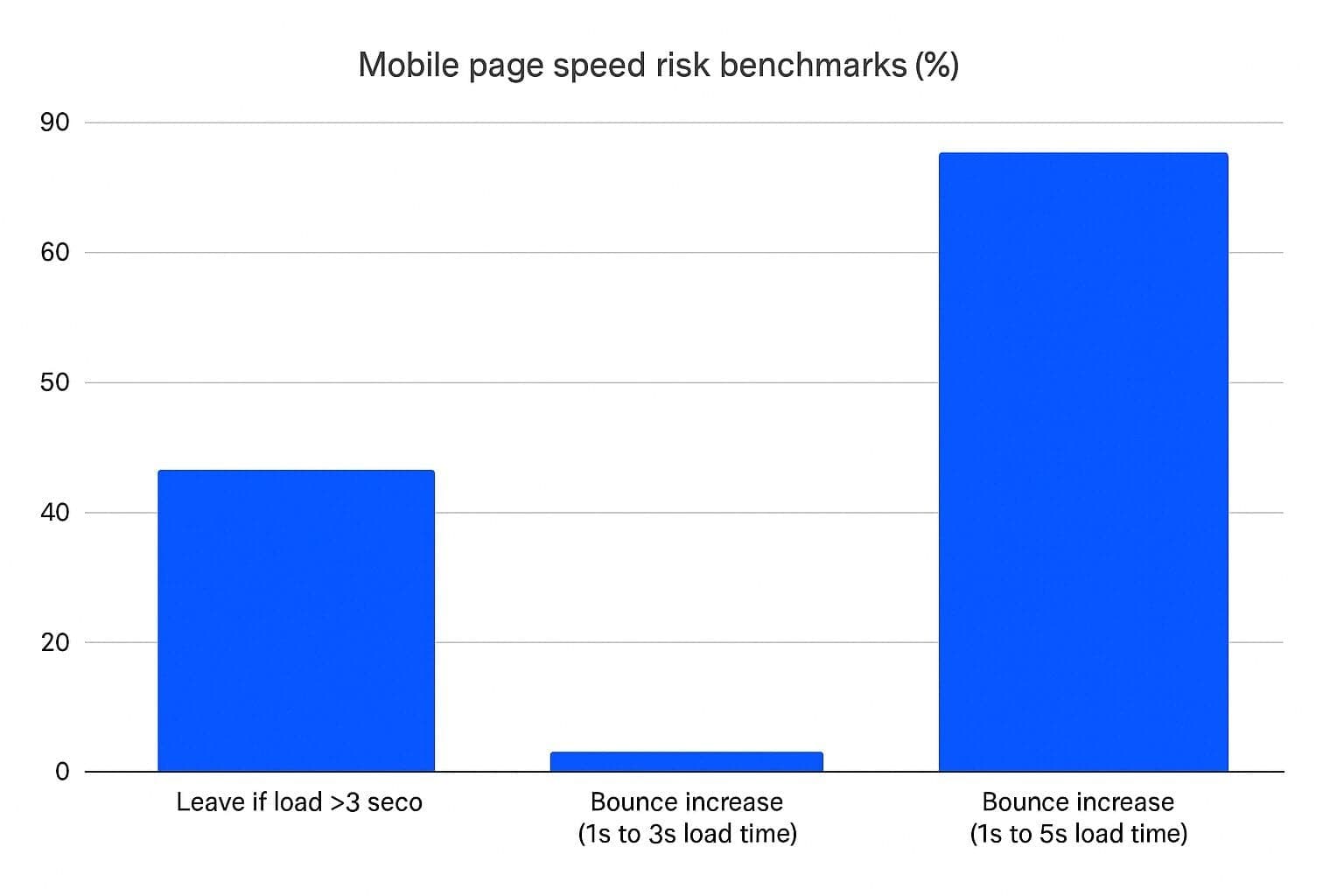
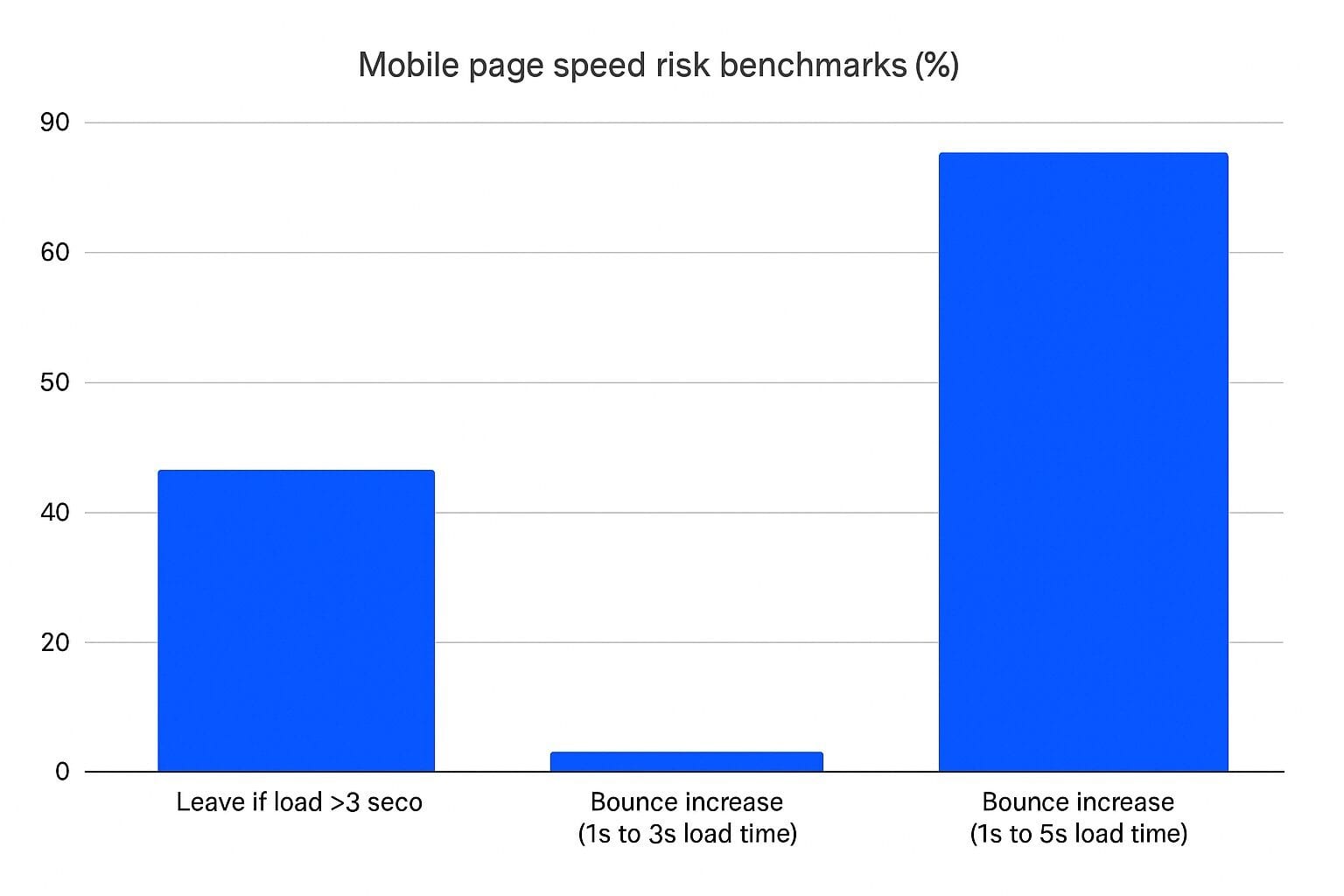
- Improve landing page speed and message match: Faster pages and tighter alignment with the ad increase conversion rate and reduce effective auction costs.
- Harden measurement: Add server side tracking, offline conversion uploads, and consistent naming conventions to protect data quality as signal decay increases.
- Scale with guardrails: Set thresholds for CPA, volume, and frequency, and automate alerts so you catch drift early without over editing.
Actionable insight: run a monthly account health review that audits tracking integrity, policy compliance, creative fatigue, and budget volatility. Long term advantage comes from preventing small issues from compounding into performance instability.
Platforms reward long term advertisers by responding to consistency. Stable spend patterns, reliable conversion signals, and a clean compliance history. When you protect learning continuity and improve the user experience end to end, you make it easier for algorithms to find efficient inventory and scale with fewer surprises.
The durable gains come from process. Measured experimentation, disciplined edits, and measurement that reflects real business outcomes. If you want help building a long term advertiser strategy that improves stability and scalability across platforms, Contact us.