
Platform vs Business Optimization. Key Differences
For media buyers managing spend daily, align platform KPIs with contribution margin, cash flow, and retention using guardrails, tests, and stop rules.
Everyone says they are optimizing. Most teams are just optimizing different scoreboards. Platform optimization is making one channel look better inside its own rules, like Amazon, Shopify, Google Ads, or a marketplace. Business optimization is improving company outcomes, like profit, cash, LTV, and operational throughput.
This distinction matters because a channel can show clean growth while the business takes on hidden cost. A conversion rate lift can be bought with discounts that crush contribution margin, create inventory churn, or pull in low retention cohorts. If you cannot name which type of optimization you are doing, you will misalign metrics, budget allocation, and iteration cycles.
This article breaks down the difference between platform optimization and business optimization, how to apply each in practice, and how to prevent channel wins from turning into company wide losses.
What platform optimization really optimizes
Platform optimization is improving performance inside one platform’s algorithm, auction, and constraints. It is driven by platform native levers and reporting. Bids, budgets, feeds, listings, creative formats, landing paths, attribution windows, and learning phase stability. Done well, it improves volume stability and lowers CPA inside that environment.
The problem is that platform metrics are not business metrics. A platform will often reward behavior that looks efficient on dashboard but is expensive in the P and L. Defending rank with heavy spend, pushing low margin SKUs for catalog breadth, or leaning on promos that spike CVR while degrading margin and cash. Platform optimization is useful only when it is tied to unit economics and real scaling constraints like inventory, fulfillment capacity, support load, and cash conversion cycles.
Actionable insight: Build a translation layer from platform KPIs to business KPIs. Example: map ROAS to contribution margin by including fees, shipping, returns, and incremental ops cost, then review that blended metric weekly so you do not scale into a misleading number.
What business optimization really optimizes
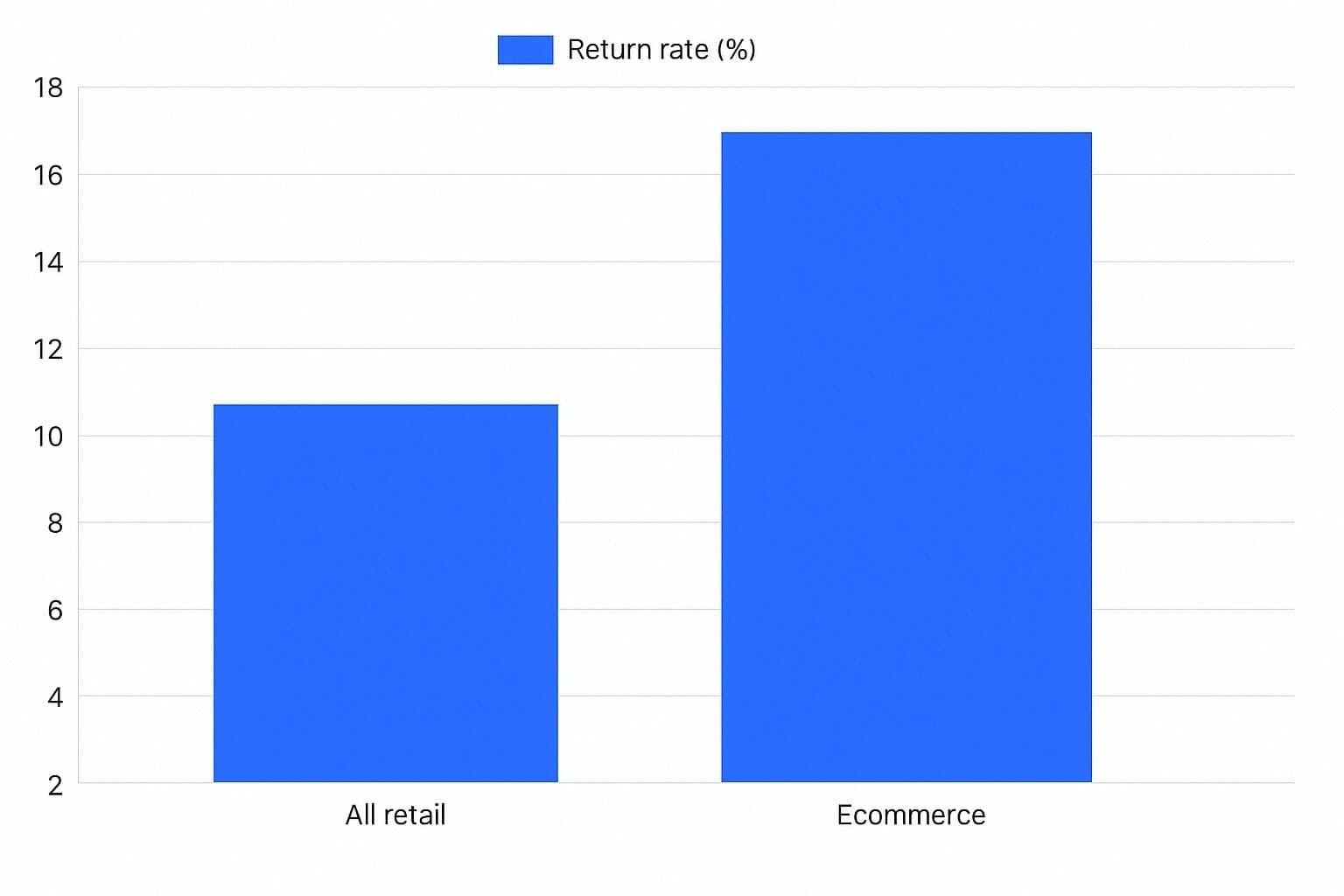
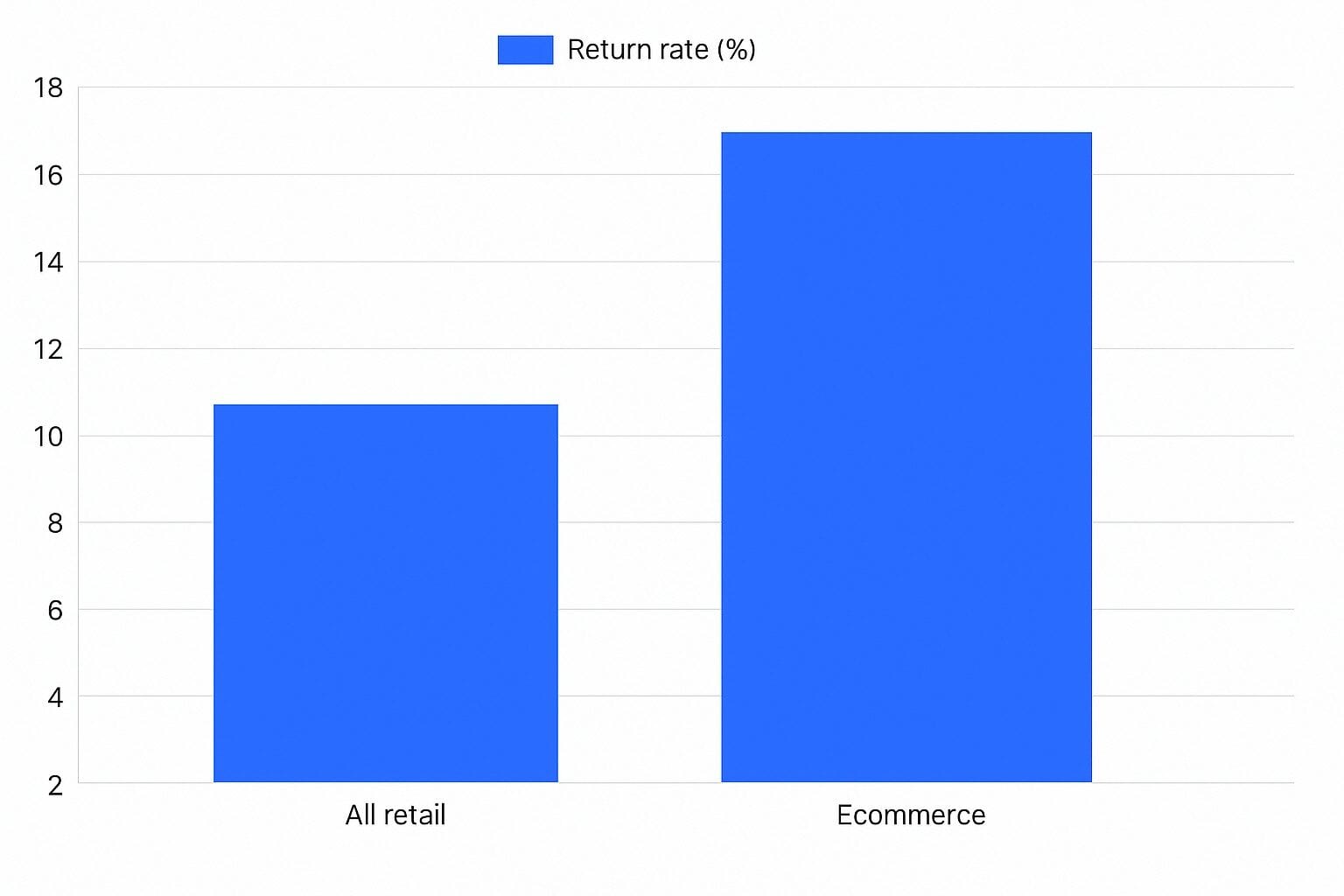
Business optimization is improving the company even if a platform metric softens short term. It is anchored in profitability, cash flow, retention, and capacity planning. It forces tradeoffs across channels. You may cut a channel that shows strong ROAS if it is stealing demand from a higher margin channel, driving high return rates, or creating attribution noise that masks true incrementality.
Actionable insight: Define one north star business metric and two guardrails. A practical setup is contribution margin after marketing as the north star, with guardrails for inventory weeks of cover and return rate. If a platform initiative violates a guardrail, it requires an explicit decision, not an automatic scale.
How to apply both without conflicting priorities
The best operators treat platform optimization as the toolkit and business optimization as the decision system. You still manage testing velocity, creative fatigue, CPA control, and signal decay. You just define what better means based on business constraints, not on what the platform rewards. This prevents teams from celebrating wins that increase complexity, lower margin, or create fulfillment bottlenecks.
A practical workflow for aligned optimization
- Clarify the objective: Decide whether the next 30 to 90 days prioritize margin, revenue, new customer acquisition, or inventory reduction, and document it so channel teams optimize toward the same target.
- Choose the right measurement window: Platform dashboards default to short windows. Evaluate changes using a window that matches your buying cycle and return behavior so you do not chase false positives.
- Convert platform metrics to business reality: Adjust for fees, shipping, discounts, returns, and support costs so profitable growth is not a platform level illusion.
- Run controlled tests: Change one major lever at a time, keep a holdout where possible, and compare against seasonality to isolate true lift from attribution noise.
- Set stop rules: Predefine thresholds like minimum contribution margin, maximum return rate, or maximum CAC to prevent runaway scaling when early numbers look clean.
Actionable insight: Create a weekly channel to P and L review. In 30 minutes, compare each platform’s incremental revenue to incremental costs and operational impact. This habit catches misalignment early, before it becomes a quarter long problem.
Risks and mistakes that cause platform wins but business losses
The most common failure mode is treating a platform’s incentives as your goals. Platforms optimize for activity inside their ecosystem, not your profit. If you only manage what the platform reports, you will drift into profit leakage and operational drag.
- Over optimizing for ROAS: High ROAS can still be unprofitable if margins are thin, return rates are high, or customer support costs spike.
- Discount dependency: Discounts can inflate conversion and rank but train customers to wait for deals and reduce long term margin.
- Attribution blind spots: Platform attribution may over credit itself and undercount other touchpoints, leading to misallocated budget.
- Ignoring capacity constraints: Scaling a channel without aligning inventory, fulfillment, and support creates late shipments, negative reviews, and churn.
- Chasing vanity metrics: Rankings, traffic, and impressions are not outcomes unless they translate into profitable demand.
Actionable insight: Treat any optimization that increases complexity as a cost. Adding SKUs, campaigns, or geographies should require evidence that incremental profit outweighs the operational burden, not just that platform metrics improved.
How to build an optimization system that scales
As you grow, the goal is not to choose platform optimization or business optimization. It is to connect them through governance, data, and decision rules. Platform experiments should be judged by business outcomes, and business goals should dictate which levers you pull and how fast you scale.
Actionable insight: Create a metric hierarchy that prevents confusion. Put business outcomes at the top, margin, cash, retention. Put cross channel drivers in the middle, CAC, LTV, repeat rate. Put platform levers at the bottom, CTR, CVR, CPC, rank. Teams can iterate on the bottom layer, but only if the top layer improves.
Actionable insight: Use segmentation to avoid averaging away the truth. Evaluate performance by SKU margin bands, customer cohorts, and fulfillment profiles. A change that looks flat overall can be highly positive for high margin products and highly negative for low margin ones.
Actionable insight: Institutionalize post test reviews. For every meaningful change, document what changed, what you expected, what happened, and what you will do next. This increases learning density and reduces repeated mistakes across platforms.
- Adopt profit driven bidding or budgeting: Where possible, optimize bids or spend caps to contribution margin rather than revenue.
- Align promotions to inventory strategy: Use discounts to clear aging stock or support launches, not as a permanent conversion crutch.
- Monitor leading indicators: Track refund reasons, delivery times, and support tickets to catch operational issues before they hit margin.
- Standardize reporting: Use one shared definition for CAC, LTV, and margin so platforms cannot be compared with inconsistent math.
Platform optimization makes you better at winning inside a channel. Business optimization makes you better at winning as a company. The top operators connect the two. They use platform tactics to create efficient demand, then judge success by profit, retention, cash, and operational resilience.
When incentives are aligned, platform KPIs are translated into business outcomes, and tests run with clear stop rules, optimization becomes a compounding advantage instead of a weekly scramble for the next metric lift.
If you want help building an optimization system that ties platform performance to real business results, Contact us