
Real Cost of Non Compliance in Affiliate Media Buying
Media buyers: quantify non compliance costs from CPM lift, reversals, and account risk. Get a process to protect CPA control and scaling stability.
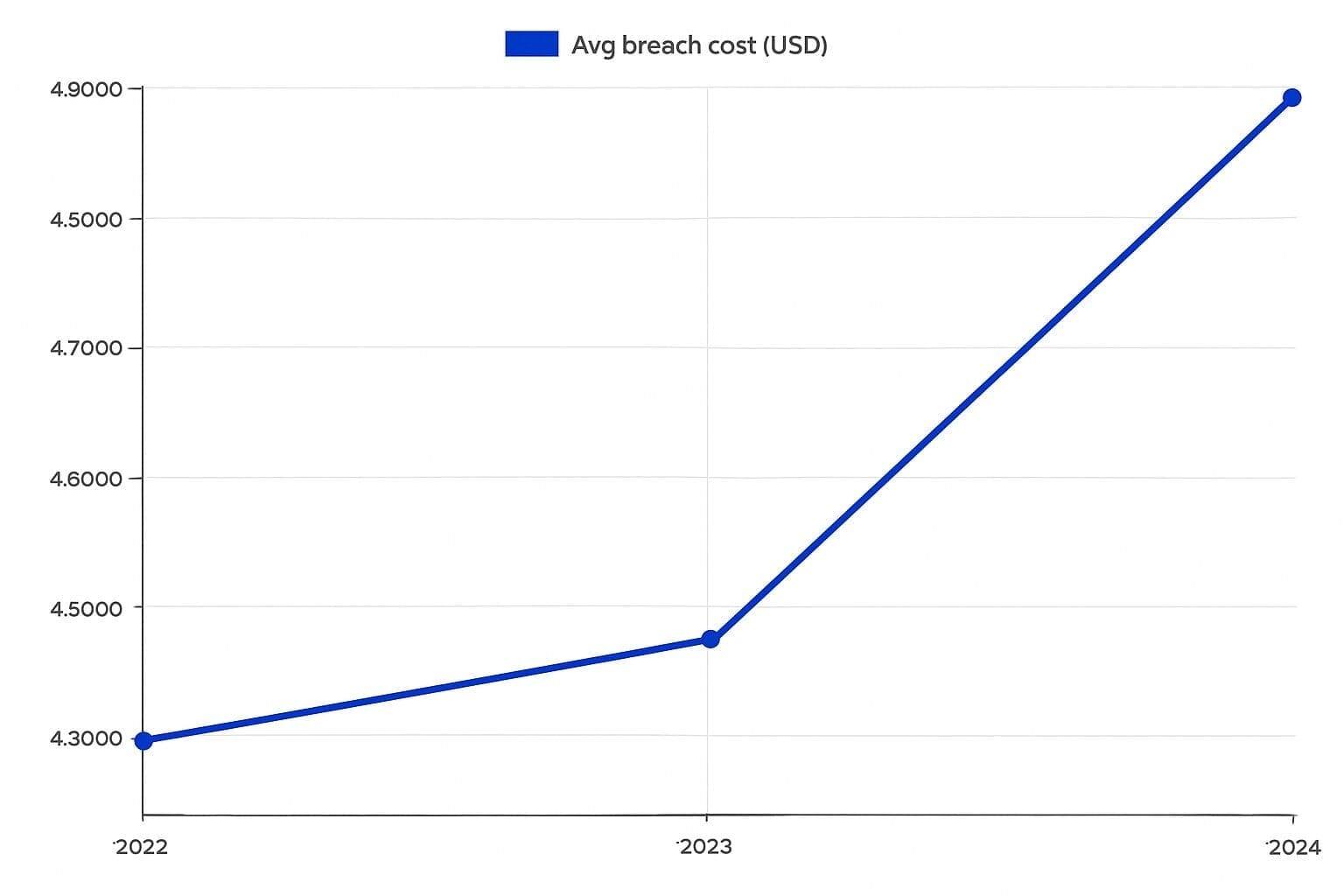
In affiliate media buying, compliance gets treated like a launch blocker. In practice, non compliance shows up as wasted budget, unstable volume, payout delays, and account shutdowns that wipe out weeks of learning.
When you move fast, small misses like weak disclosures, restricted claims, or non compliant landing pages compound quickly. The worst part is the cost hides inside numbers you already watch. CPM drift, approval rate drop, refund lift, and noisy attribution are usually compliance signals before they become account events.
This breaks down where the cost actually comes from, how to quantify it, and how to run a practical compliance system that protects scale without killing testing velocity.
Where non-compliance really costs you money
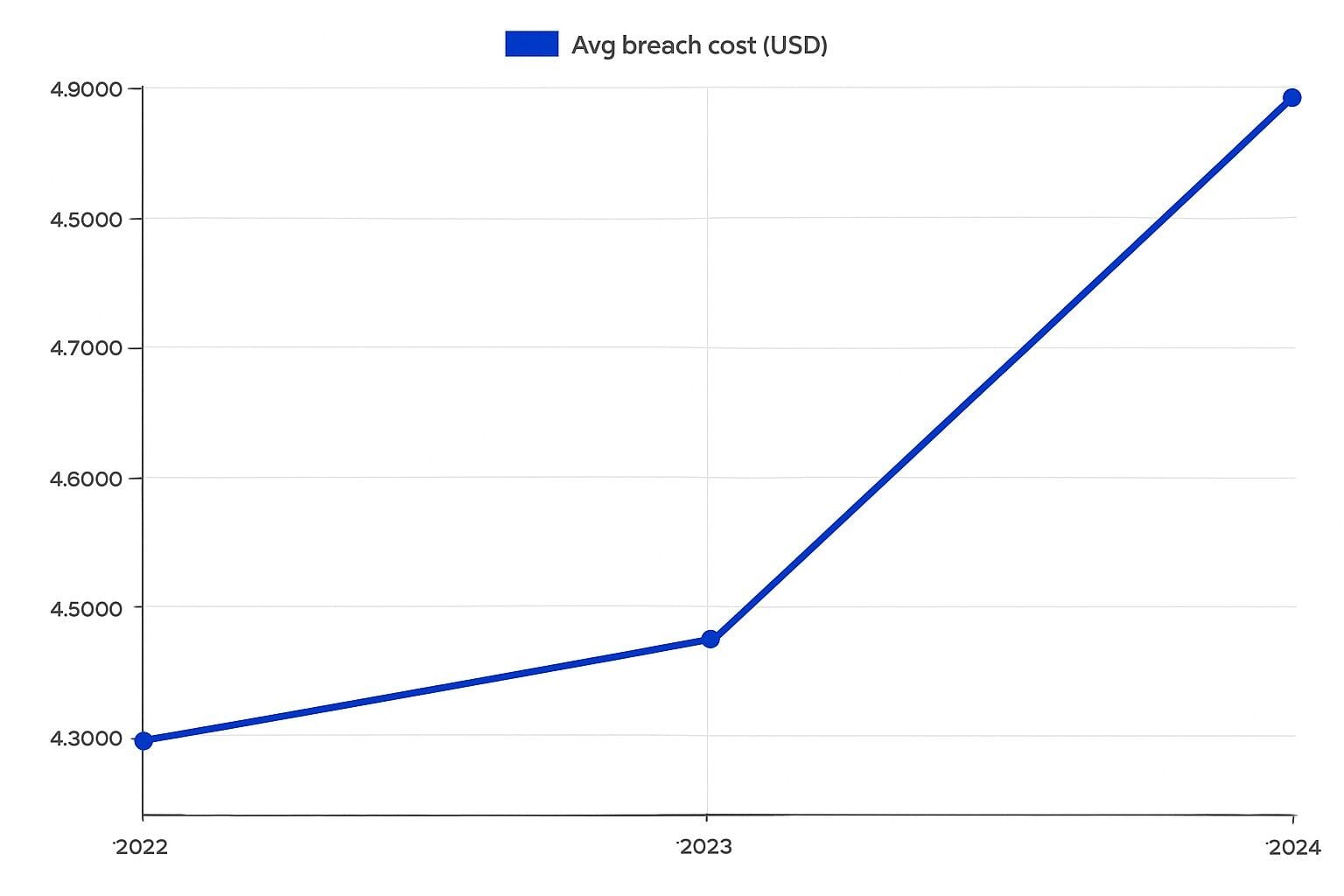
The obvious costs are fines, chargebacks, and takedowns. The compounding costs are operational. When a platform flags your assets, delivery tightens, prices rise, and testing lanes shrink. That slows iteration cycles, accelerates creative fatigue, and hurts CPA control.
Non compliance also creates unpredictability. A pause resets learning and disrupts budget allocation. Even after a fix, you often come back with higher friction. More reviews, less trust, lower spend thresholds, and weaker signal quality.
To understand the real cost, track these core categories and treat them as a single financial model:
- Wasted ad spend from disapproved ads, limited delivery, or broken funnels that keep spending before you notice the issue.
- Revenue clawbacks from chargebacks, refunds, or invalid traffic determinations by networks or merchants.
- Opportunity cost from delayed launches and fewer tests completed per week due to policy reviews and rework.
- Account risk including payment holds, restricted ad accounts, or permanent bans that force you to rebuild infrastructure.
- Partner friction such as lower caps, reduced payouts, or removal from offers when advertisers see compliance risk.
A useful rule: if compliance problems are recurring, the true cost is rarely one incident. It is the systemic tax on every future campaign.
How to build a compliance-first media buying process
Compliance that scales is not a single review. It is a repeatable workflow that makes the compliant option the fastest option. The goal is to create pre approved building blocks for creatives, landing pages, tracking, and disclosures so launch speed improves rather than slows down.
A practical checklist you can operationalize
Use this workflow before every launch, and document evidence so you can respond quickly to platform or advertiser questions:
- Map claims to sources: for every performance or health claim, store the approved wording and the substantiation link or advertiser approved reference.
- Validate disclosures: ensure FTC style affiliate disclosures are visible, clear, and placed where users make decisions, not buried after the fold.
- Confirm traffic to offer alignment: match geo, device, and audience targeting to the offer terms to avoid invalid traffic and payout reversals.
- Run landing page policy checks: verify privacy policy, terms, contact details, and required disclaimers, plus remove restricted content and misleading UI.
- Audit tracking and attribution: test pixel firing, postbacks, and UTM hygiene so you can prove where conversions came from.
- Create an escalation pack: keep screenshots, ad copies, approval notes, and change logs ready to submit during reviews or disputes.
Actionable insight: set a launch gate in your project management system where spend cannot start until the documentation is complete. This prevents we will fix it later spending that becomes the most expensive spending.
Actionable insight: treat advertiser terms like code. When terms change, update your templates, not just a single campaign. This is how you reduce repeat violations and lower long term risk.
Common mistakes that trigger bans, clawbacks, and legal exposure
Most non compliance incidents come from a small set of repeatable mistakes. They often happen during scaling, when teams duplicate assets quickly and small policy differences are missed across geos, platforms, or offers.
Watch especially for these high impact issues:
Misleading claims and implied guarantees are a top ban driver. Even when you avoid explicit promises, imagery, before and after framing, or typical results language can create an implied claim that violates platform or advertiser standards.
Inadequate disclosures create both platform and regulatory risk. If a user cannot easily understand that you may earn compensation, you expose the business to enforcement, and you also increase refund pressure because users feel misled after purchase.
Policy mismatches across the funnel are another common failure. An ad might be compliant, but the landing page or pre sell uses restricted wording, missing policies, or aggressive countdown tactics that violate platform rules. Platforms review the whole user journey, not only the ad.
Actionable insight: implement a funnel level compliance QA where the reviewer clicks the ad path exactly like a user, including mobile rendering, redirects, and checkout. Many issues appear only after redirects or geo based content swaps.
Actionable insight: monitor payout integrity weekly by reconciling network reports with your own tracking and refund data. Spikes in reversals are often the earliest indicator of compliance or traffic quality problems.
Actionable insight: if you work with multiple affiliates or buyers, enforce asset governance using locked templates. Allow variation only in approved fields so creative testing does not mutate into policy violations.
How to reduce compliance costs and scale safely
Scaling profitably requires treating compliance as an optimization lever. The teams that win build faster feedback loops. They detect issues early, fix them with minimal rework, and maintain stable accounts that support higher spend.
Use these advanced practices to keep performance high while lowering risk:
- Pre approve a claims library by vertical and offer type, including forbidden phrases and compliant alternatives for each platform.
- Automate link and page monitoring so you get alerts for broken pages, missing policies, or unauthorized copy changes that can trigger disapprovals.
- Segment compliance risk by campaign: separate testing budgets from scaling budgets and restrict risky angles to controlled environments.
- Build a dispute ready evidence trail with timestamps, screenshots, and approvals to speed up reinstatements and advertiser conversations.
- Train on platform specific rules because what passes on one network can be a violation on another, especially in finance, health, and subscription offers.
Actionable insight: introduce a risk score into your media buying dashboard. Score offers, angles, and funnel components based on claim sensitivity, refund history, and platform enforcement patterns. Route higher risk campaigns through stricter review and smaller initial budgets.
Actionable insight: treat compliance outcomes as performance metrics. Track disapproval rate, reversal rate, time to relaunch after takedown, and account health status alongside CPA and ROAS. When these metrics improve, your scaling ceiling rises.
Actionable insight: negotiate better terms by demonstrating control. When you can show a consistent compliance process, you increase trust with advertisers and networks, which can unlock higher caps, faster payments, and preferred access to offers.
Non compliance is not just a legal issue. It is a performance issue that drains budget, slows learning, and limits scale. The most profitable affiliate media buying operations treat compliance as a core capability that protects the funnel, stabilizes accounts, and keeps partners confident.
If you want help auditing funnels, building compliant creative systems, or scaling offers without account instability, Contact us