
The Psychology of Platform Policy Enforcement
For media buyers, policy enforcement shapes signal quality, CPA control, and volume stability. Learn how fairness, clarity, and proportional actions improve compliance.
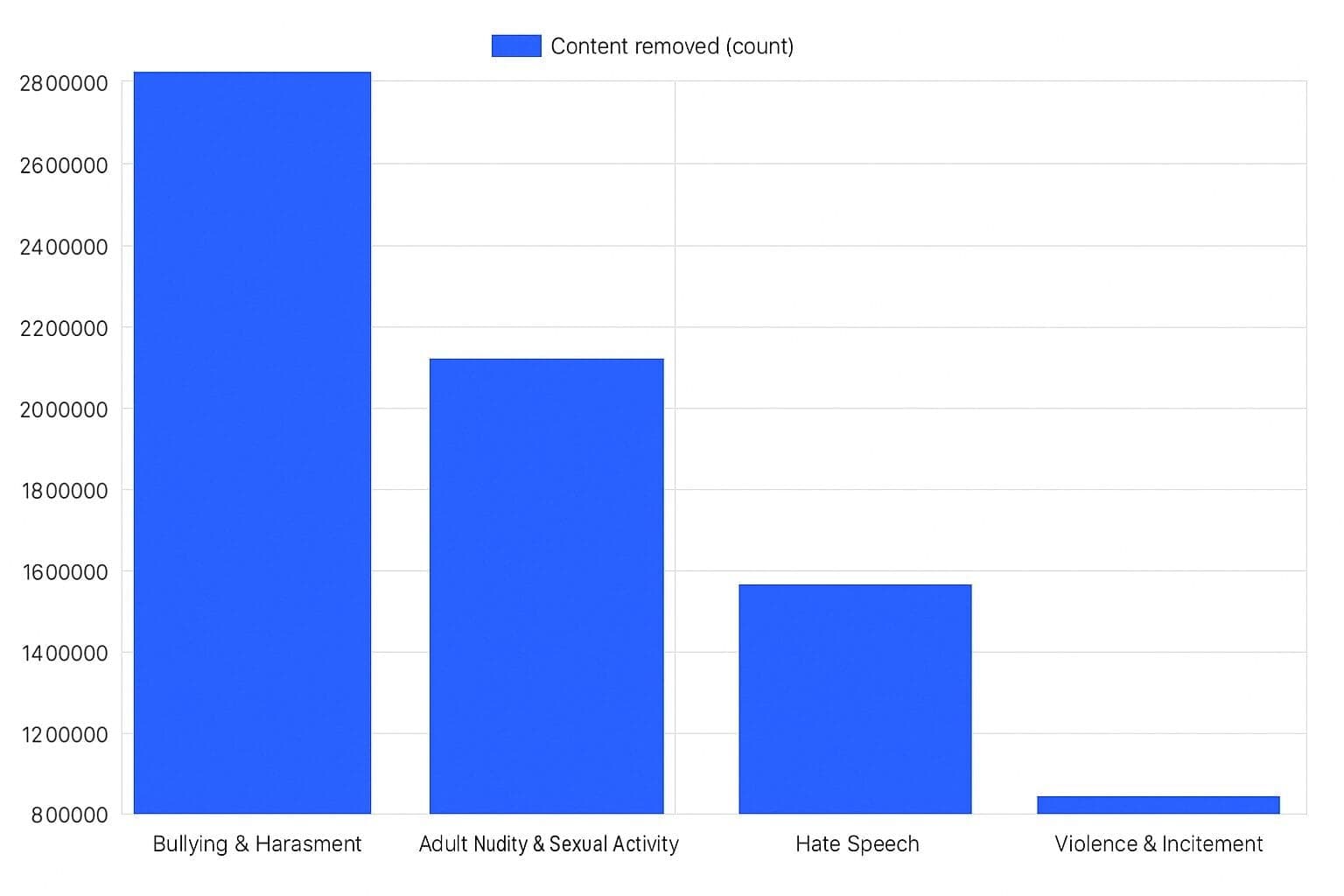
Platform policy enforcement gets framed as legal or technical, but the outcomes are driven by user psychology. Every warning banner, takedown notice, reach limit, and appeal decision triggers predictable reactions. confusion, defensiveness, anxiety, and sometimes retaliation. If you run spend daily, you see the downstream effects fast. signal loss, CPA drift, volume instability, and creative iteration slowing down because the account is playing defense.
The core challenge is not only removing harmful content. It is shaping future behavior while protecting trust. When people feel they were treated unfairly, they rarely comply quietly. They look for workarounds, shift distribution, or turn the enforcement event into a public pressure play. That is how you get volatility that looks like attribution noise, but is really enforcement psychology compounding over time.
Below is a behavior focused view of why users respond the way they do, how enforcement systems reduce conflict, and how policy teams drive compliance without blowing up stability at scale.
Why enforcement outcomes depend on psychology
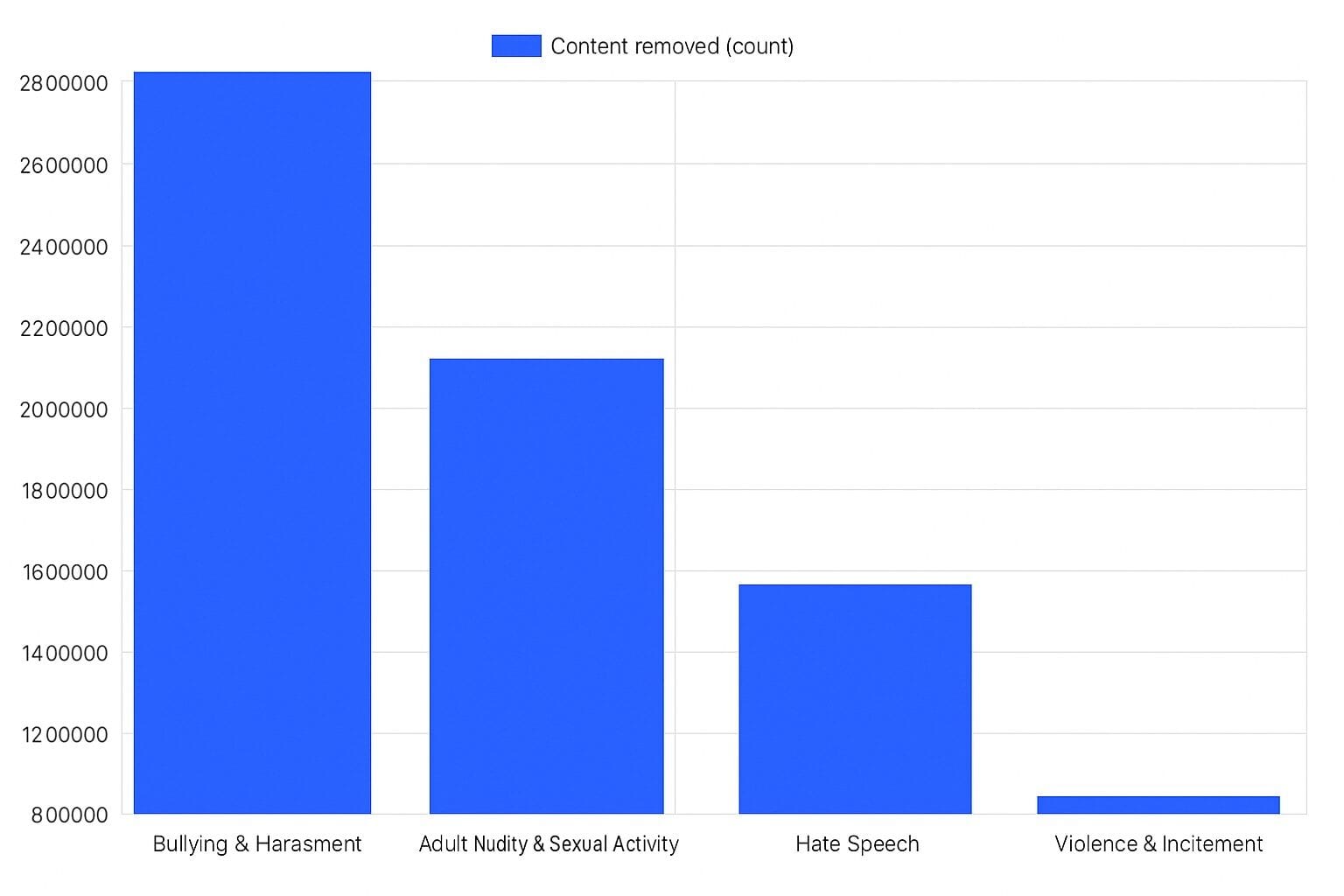
Most users interpret enforcement through procedural justice. the belief that the process was fair, consistent, and respectful. Even when they disagree with the decision, they are more likely to comply when the rationale is legible and they had a real chance to respond. When that perception collapses, the platform loses institutional trust, and policy messages stop working. At that point you get more appeals, more edge case testing, and more adversarial behavior that degrades signal quality.
Several psychological mechanisms show up repeatedly in policy enforcement:
Reactance happens when users feel autonomy is being threatened. Heavy enforcement can increase the very behavior it is trying to reduce, especially when the content is tied to identity or status. Attribution bias also matters. users explain their own violations as misunderstanding or context, while attributing the platform action to hostility or incompetence. Finally, ambiguity aversion makes unclear rules feel riskier than strict rules, pushing creators to self censor or churn. Both outcomes reduce inventory quality and increase creative fatigue because buyers are forced into narrower angles.
The takeaway is simple. enforcement systems that optimize only for speed or removal volume usually underperform on long term compliance. Systems designed for perceived fairness, clarity, and user dignity reduce repeat violations, reduce escalations, and protect the consistency you need for testing velocity and budget allocation.
How policy enforcement works in practice, and how to improve compliance
At a high level, platform policy enforcement combines detection, classification, action, and user communication. The hard part is not edge cases. it is that every action teaches users what the platform actually values. If those lessons are inconsistent, users adapt in ways that create more review load, more appeal volume, and more policy dodging that later shows up as sudden account risk during scaling.
A behavior informed enforcement workflow
- Write decision ready policies: Translate rules into observable signals reviewers and models can consistently detect. This matters because inconsistent calls destroy credibility, raise appeal rates, and create unpredictable delivery constraints for buyers trying to hold CPA.
- Tier actions by intent and harm: Use a graduated response, labels, friction, limited reach, temporary restrictions, removal, tied to severity. This matters because proportionality supports legitimacy and reduces reactance, which protects volume stability.
- Explain the why, not just the what: Provide specific, policy linked reasons and examples of compliant alternatives. This matters because users need a mental model to self correct, not a generic warning that drives random experimentation.
- Offer a meaningful appeal path: Ensure appeals are timely, evidence based, and transparent about outcomes. This matters because even a denied appeal can reinforce procedural justice if the process is understandable, which lowers repeat submissions and retaliatory behavior.
- Measure recurrence, not just removals: Track repeat violations, time to recidivism, and post enforcement behavior changes. This matters because the goal is safer ecosystems and cleaner signals, not higher action counts.
Actionable insight: audit your notices and in product messages like you would audit an ad review rejection message that is driving spend pauses. Tighten language, add policy citations, and include one clear next step. Evaluate effectiveness by whether the user can accurately explain the violation after reading the notice.
Actionable insight: when policy categories are subjective, use calibrated examples and boundary cases in training. Evaluate improvement by reviewer agreement rates and by the share of successful appeals caused by misclassification.
Common risks and mistakes that undermine enforcement
Even well intentioned platforms fall into predictable traps that trigger backlash or reduce compliance. The biggest risks come from mismatches between how the platform thinks enforcement works and how users experience it. Those mismatches create volatility, and volatility is the enemy of clean testing cycles.
Over reliance on automation without clear thresholds can create apparent randomness. Users interpret randomness as bias. Inconsistent enforcement across similar cases is equally damaging, because people compare outcomes and then they test boundaries harder. Opaque policies lead creators to assume the worst and spread incorrect interpretations, which increases policy avoidance and reduces usable creative supply.
Actionable insight: run consistency checks across segments, languages, and content formats. If identical behaviors lead to different actions, users will discover it and publicize it. Evaluate with periodic matched case audits and publish internal consistency targets.
Actionable insight: avoid punitive escalation that skips steps unless harm is severe. Sudden high severity actions can cause reactance and reputation crises. Evaluate by tracking spikes in negative sentiment after major enforcement waves and correlating them to message clarity and proportionality.
Actionable insight: treat policy vagueness as a safety risk. If users cannot predict enforcement, they either disengage or they stress test the boundary. Both outcomes increase enforcement load and make delivery more erratic. Evaluate by monitoring policy related support tickets, creator confusion, and appeal reasoning patterns.
Advanced optimization: designing for trust, learning, and long term safety
Mature enforcement programs design for durable compliance, not short term suppression. That means aligning policy, product design, reviewer operations, and communications around the same behavioral goals. The most effective systems use feedback loops to learn where policies are unclear, where models drift, and where bad actors adapt. For media buyers, the win is fewer sudden delivery shocks and less signal decay caused by policy whiplash.
- Build explainability into enforcement: Use structured reason codes and user facing explanations that map directly to policy. This improves comprehension and makes enforcement auditable, which supports consistency at scale.
- Use friction strategically: Add prompts, previews, or confirmation steps for high risk actions, for example before posting sensitive content. This reduces impulsive violations while preserving speech and reducing downstream review volume.
- Segment interventions by user context: First time users, high reach creators, and coordinated bad actors require different responses. Tailoring improves outcomes and reduces unnecessary conflict that can choke inventory.
- Instrument trust signals: Track perceived fairness via surveys, appeal satisfaction, and sentiment analysis tied to enforcement events. Improving trust reduces churn and repeat violations, which protects stability for scaling.
- Protect reviewer quality: Invest in training, calibration, and wellbeing. Reviewer fatigue increases errors, and errors are interpreted as bias by users, which drives more appeals and more adversarial content iteration.
Actionable insight: design a quarterly policy clarity review based on the top appeal rationales and the highest disagreement categories. Update policy language and examples, then measure whether appeal volume and successful appeal rates drop for those categories.
Actionable insight: publish enforcement transparency at the right level of detail. When users see consistent reporting and clear standards, they are more likely to accept adverse outcomes. Evaluate by comparing trust metrics before and after transparency updates.
Platform policy enforcement works best when it treats user behavior as the product outcome. Rules are necessary, but psychology determines whether rules are understood, accepted, and followed. By prioritizing clarity, proportionality, and procedural justice, platforms reduce repeat harm while maintaining legitimacy with the people who drive reach.
The goal is not to eliminate disagreement, but to create an enforcement system that users perceive as consistent, explainable, and worth cooperating with, even when they lose an appeal. If you want help diagnosing enforcement friction, improving policy communications, or building trust centered workflows, Contact us