
Trust Based Media Buying Smarter Campaign Decisions
For media buyers: use trust as a buy rule with auditable placements, quality thresholds, and lift checks to cut waste and stabilize CPA at scale.
Trust based media buying moves decisions away from cheap CPM chasing and toward partners you can verify. The question stops being where is the lowest price. It becomes where do we get clean delivery to the right users, in the right context, with reporting we can act on.
This is picking up because brand safety, invalid traffic, and measurement drift are now daily constraints. When trust is a buying requirement, planning changes fast. Partner lists tighten, budget allocation follows clear rules, and performance reviews include signals beyond last click CPA.
In practice, this is not paying more for the same results. It is a decision system where inventory quality, data transparency, and accountability directly affect targeting, pacing, creative rotation, and optimization cadence.
Why trust changes the way campaigns are planned
Commodity buying rewards short term wins and weak accountability. Trust based buying treats media as an input you have to control. That changes planning in four ways.
First, it pushes contextual alignment and brand safety into the plan from day one. If a partner cannot consistently show where ads ran and what they ran next to, CPA control is a mirage. You are just buying attribution noise.
Second, it changes measurement expectations. You lean harder on incrementality and signal reliability because blended ROAS is fragile under signal decay. Clean reporting lets you separate real lift from model artifacts and optimize with confidence.
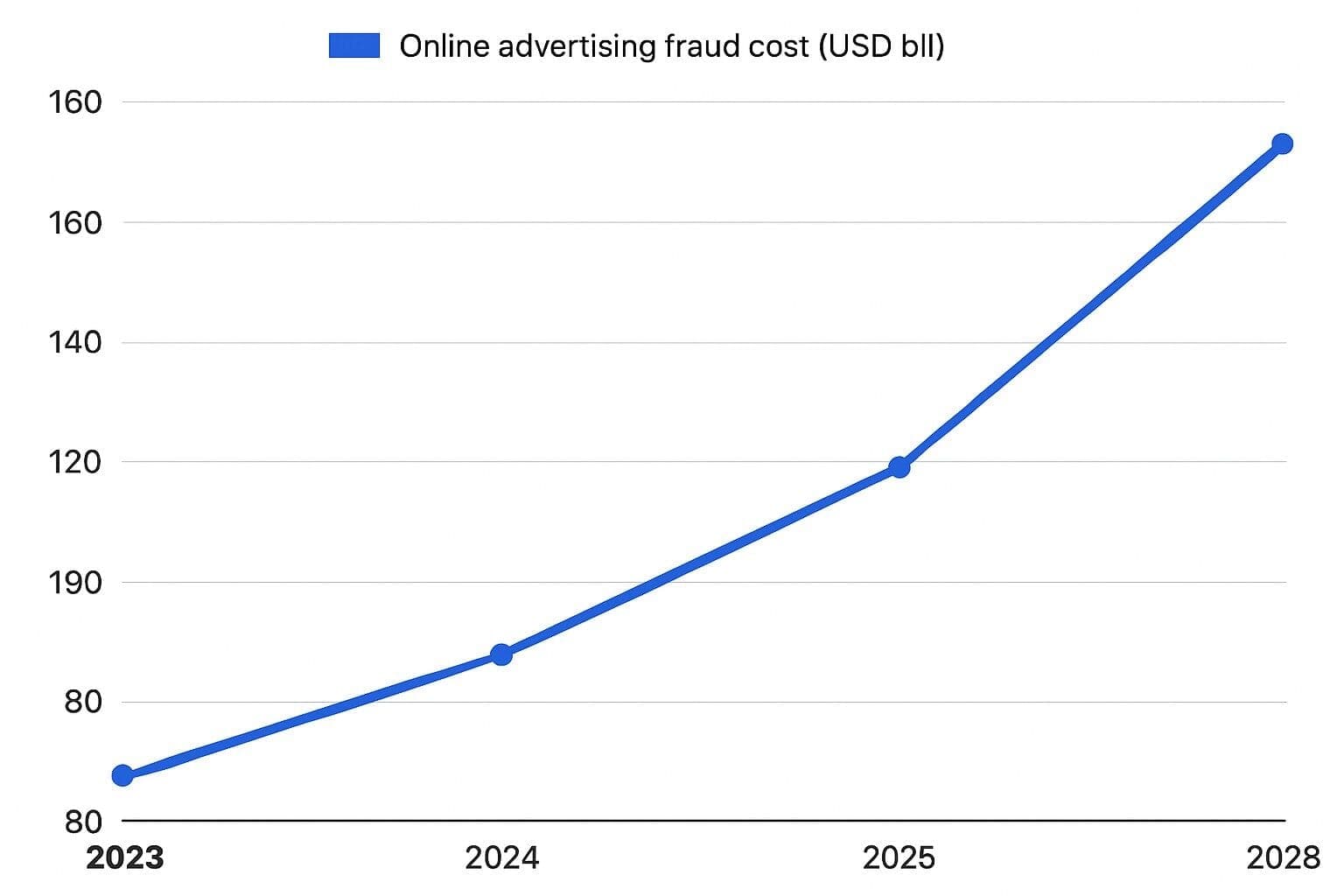
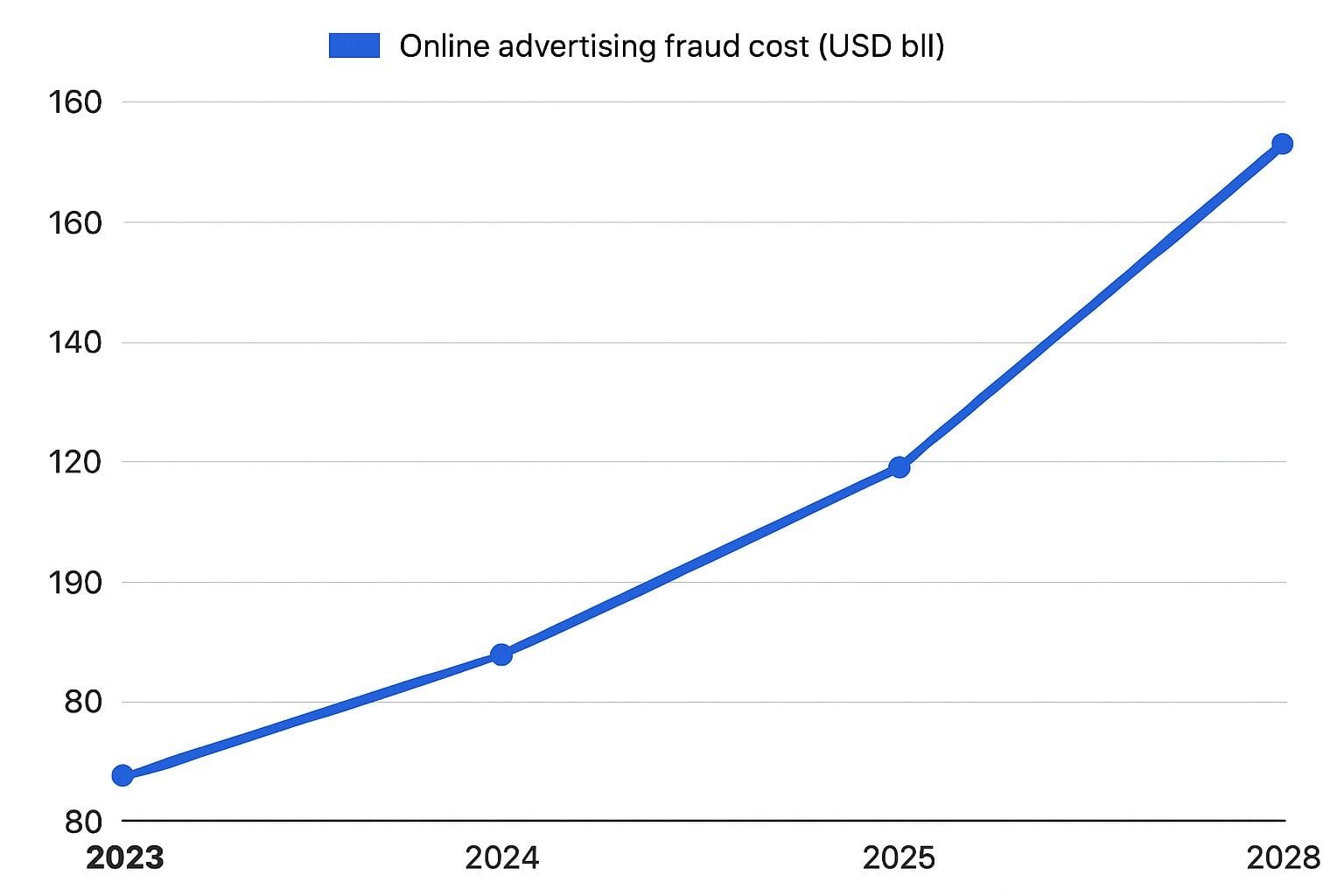
Third, it cuts hidden costs. Fraud, made for advertising inventory, and low attention placements can look efficient while wrecking volume stability and learning. A trust first approach makes quality controls part of the buy so optimization does not drift toward junk supply.
Finally, it improves internal decision speed. Budget moves come with a defensible rationale. Instead of the algorithm did it, you point to auditable placements, consistent delivery, and stable performance drivers tied to controllable levers.
How trust based media buying works in practice
Operationally, trust based buying is strict partner selection plus ongoing verification plus structured optimization. The goal is repeatable decisions with clear thresholds, fast iteration cycles, and fewer surprises mid flight.
A practical decision framework for selecting partners and inventory
- Require placement transparency: Ask for site and app level reporting or equivalent supply path detail so you can validate where spend is going and cut weak placements quickly.
- Set minimum quality thresholds: Define acceptable viewability, invalid traffic rates, and brand safety requirements upfront so optimizations do not drift toward low quality inventory.
- Validate audience claims: Review how segments are built, how often they refresh, and whether data sourcing is disclosed to avoid paying premiums for unreliable targeting.
- Align on measurement methodology: Agree on attribution windows, conversion definitions, and lift testing options to reduce disputes and keep testing velocity high.
- Confirm operational accountability: Ensure there is an escalation path for delivery issues, creative rejections, or discrepancies, and that SLAs are realistic.
Once live, separate optimizations into two tracks. Quality optimizations remove risky supply, tighten allow lists, and improve attention signals. Performance optimizations adjust bids, creative rotation, and frequency. This prevents performance from looking good because you quietly accepted worse environments.
Run a weekly inventory review. Keep it simple and aggressive. Pull the top sources of spend, compare quality and outcomes, then decide to scale, cap, or exclude. Most fraud and low attention problems concentrate in a small slice of supply, and that slice will also slow learning and distort iteration cycles.
Use trust to guide budget allocation. Do not spread spend across dozens of sources you cannot audit. Concentrate where impact is verifiable and reporting is stable so you get cleaner reads, faster creative testing, and fewer false winners.
Risks and common mistakes to avoid
Trust based buying fails when it is a vibe instead of a standard. A common mistake is relying on trusted labels without verification. Assumed trust is not a control system. Without audits and consistent reporting, you can still fund low quality supply.
Another risk is over indexing on a single metric like viewability. High viewability does not guarantee attention, and attention does not guarantee incrementality. Evaluate multiple signals together. Attention proxies, brand safety, invalid traffic, and lift, then decide what you will trade off and what you will not.
Teams also confuse trust based buying with dropping performance pressure. That produces safe plans that do not scale and hit audience saturation early. The balance is simple. Trust is the foundation that makes performance optimization meaningful. If measurement is unreliable, performance optimization is often just noise.
A final pitfall is slow decision cycles. If exclusions and budget shifts require too many approvals, you keep paying for questionable placements while creative fatigue climbs and CPA drifts. Set pre approved rules so buyers can act the same day a threshold is breached.
How to optimize and scale with a trust first approach
Once trust based buying is in place, use it to compound learning. Stable placements and stable reporting make tests cleaner. That increases testing velocity and makes scaling constraints easier to diagnose.
Design experiments that isolate impact. Run geo tests, holdouts, or platform lift studies with your most trusted partners first. Cleaner supply reduces confounding and makes results easier to interpret. Pair that with a creative testing plan tied to context. What works on premium editorial inventory will not map 1 to 1 to short form video, even for the same segment.
- Build a trusted supply map: Document top performing and verified inventory sources so scaling expands what works instead of reopening low quality channels.
- Use supply path optimization: Reduce intermediaries where possible to improve transparency, lower hidden fees, and tighten control over where ads appear.
- Adopt incrementality checkpoints: Schedule lift checks at planned spend levels so budget increases are earned through proven impact, not just improved attribution.
- Standardize partner scorecards: Track delivery consistency, reporting quality, brand safety incidents, and performance so renewals and budget shifts are evidence based.
- Automate guardrails: Implement rules for exclusions, frequency limits, and risk thresholds to prevent optimization from drifting toward unsafe or low quality placements.
As campaigns mature, trust based buying improves cross channel decisions. When you trust the data, you can compare channels more fairly, decide when to prioritize reach versus efficiency, and set realistic expectations for volume stability across the funnel.
Trust based media buying changes campaign decisions by making quality, transparency, and accountability inseparable from performance. It replaces reactive optimization with a system where partners earn budget through verifiable delivery, stable reporting, and measurable impact.
When implemented well, it reduces wasted spend, strengthens brand protection, and improves learning speed. The result is better outcomes now and a media program that can scale without losing control.
If you want help building a trust-first buying strategy, tightening measurement, or creating partner standards your team can enforce, Contact us