
Why Agencies Lose Ad Accounts Not Clients and Fix It
Why ad accounts get pulled despite good relationships. Build defensible KPIs, testing cadence, governance, and exec narratives buyers can defend.
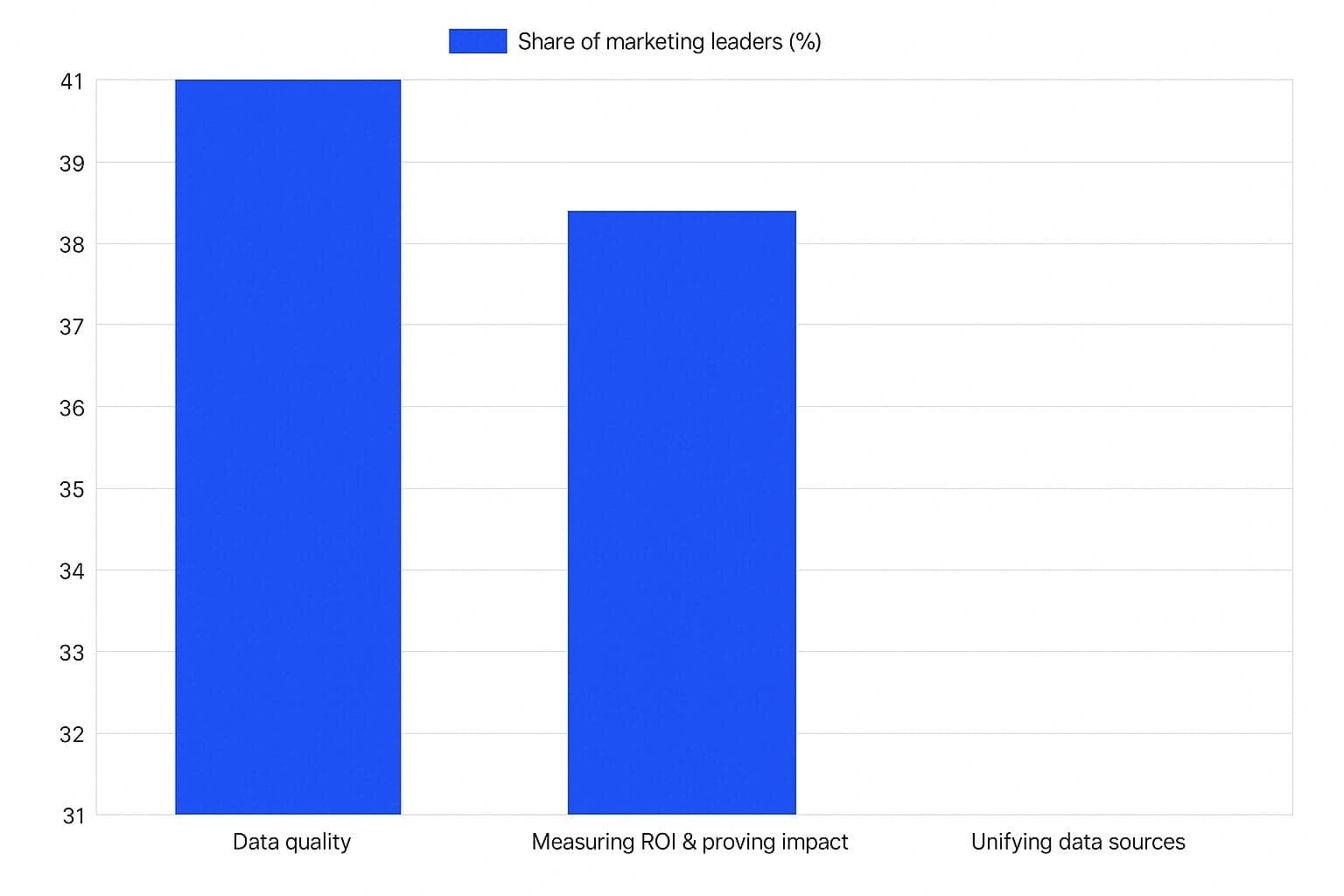
Most agencies assume churn shows up as a broken relationship. More often, the relationship stays intact while the ad account moves. Budget gets pulled in house, handed to another partner, or shifted to a platform managed service. The real problem is not client retention. It is preventing ad account loss even when the client likes you.
When it happens, it is framed politely. “We are restructuring.” “We are consolidating vendors.” “We want to try something new.” Underneath, there is usually a gap in performance trust, operational clarity, or risk management in the paid media program.
If you want to stop losing ad accounts, you need a system that makes results defensible inside the client org. That means building account retention into strategy, reporting, governance, and communication from day one.
The real reasons agencies lose ad accounts
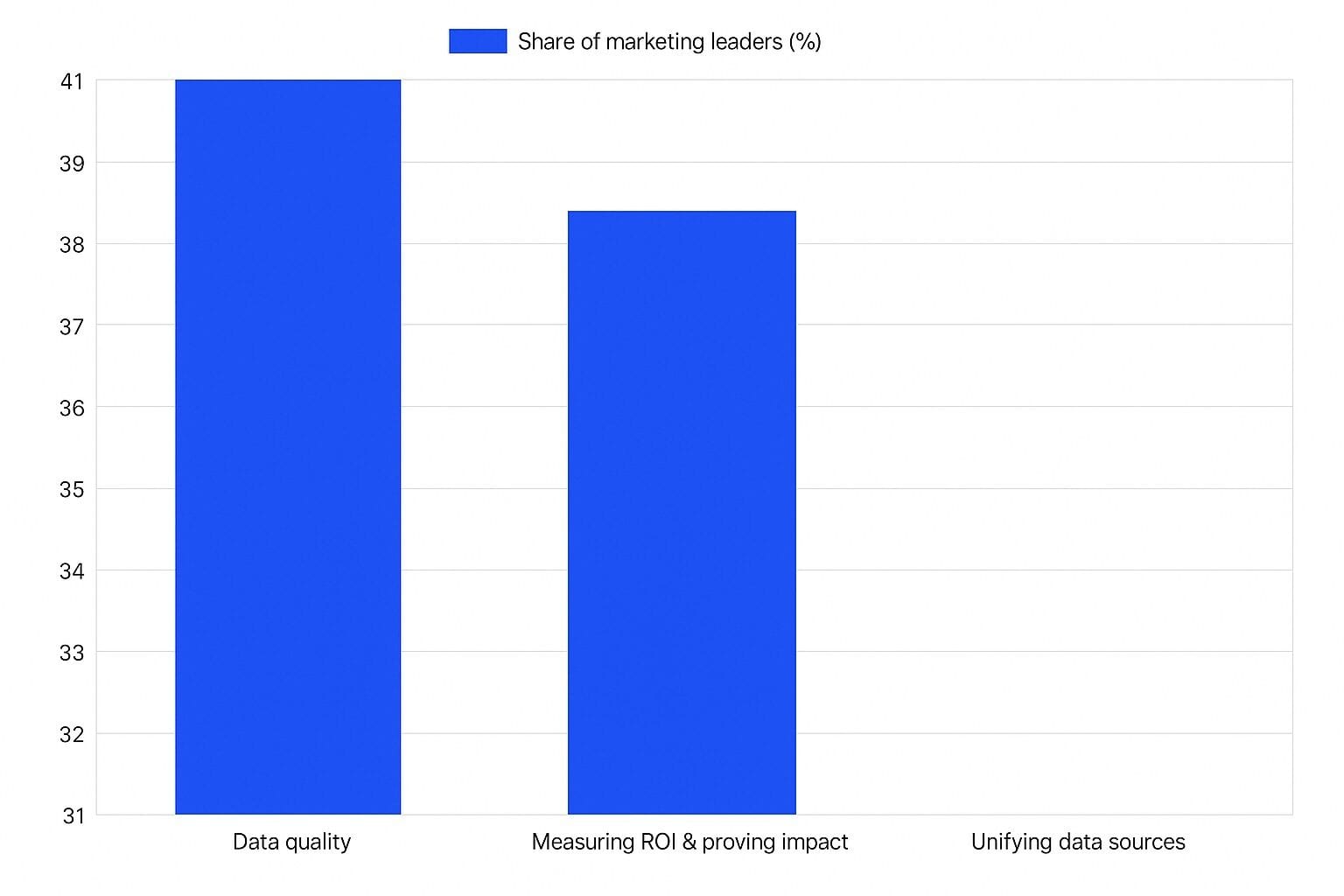
Clients rarely pull an ad account because they dislike the agency. They pull it because they cannot answer three internal questions with confidence. What are we getting for this spend, what happens next month, and what risk are we carrying. If your program leaves those fuzzy, a CFO, CMO, or internal growth lead will reassign the account.
The most common drivers are structural:
Attribution uncertainty turns outcomes into debate, especially when signal decay and channel overlap spike attribution noise. Strategy opacity makes the work feel like a black box, so vendor comparisons get traction. Creative and landing page constraints cap CPA control and volume stability, then the agency eats the blame anyway. Poor governance around access, billing, tracking, and compliance creates avoidable risk. Risk is the fastest path to moving ownership.
Ad accounts are also political assets. If you are not actively managing stakeholder alignment and decision criteria, someone else will. Usually in a way that favors switching vendors.
A retention first operating system for paid media
Keeping the account requires making your value measurable, your choices explainable, and your process repeatable. A retention first approach does not just optimize ads. It optimizes the client’s confidence in the program.
Implement an “account defensibility” cadence
Run a cadence that produces artifacts leadership can circulate internally. The goal is to make staying with your agency the lowest risk decision.
- Define a single source of truth for KPIs: Lock primary metrics, attribution window, and exclusions so performance conversations do not reset every meeting.
- Publish a 30 60 90 day testing roadmap: Show what you will test, why it matters, and what success looks like. Keep testing velocity visible.
- Separate reporting from analysis: Deliver clean dashboards, then put interpretation and decisions in writing so value is tied to judgment, not screenshots.
- Run a monthly budget narrative: Explain budget allocation shifts, what was learned, and what you are doing next to protect efficiency and volume.
- Document decision logs: Track major changes in bids, audiences, placements, creative angles, and landing pages so performance has context and accountability.
These actions reduce ambiguity. When ambiguity drops, switching costs rise because your team is the clearest steward of spend, learning, and risk.
Two signals show the system is working. Fewer last minute requests for numbers, and more forward looking questions about scaling constraints, iteration cycles, and what it would take to unlock the next spend tier.
Common mistakes that quietly trigger account transfers
Many agencies do solid execution and still lose the account because they leave operational vulnerabilities open. These compound quietly.
Warning: if any of these are true, you may be one meeting away from a “we are exploring options” email.
Over indexing on platform metrics instead of business outcomes disconnects what the client cares about from what you present. Under communicating constraints makes performance dips look like negligence when the real limiter is creative volume, site speed, tracking gaps, or inventory. Changing strategy without a narrative makes optimization look like randomness. Ignoring account hygiene in naming conventions, structure, excluded placements, and tracking QA signals low rigor. Not building executive level summaries forces your champion to translate, which weakens their internal leverage.
To avoid these pitfalls, treat communication as part of delivery. The objective is not more meetings. It is making decisions legible and defensible.
How to make your agency harder to replace
Account retention improves when you shift from “we run ads” to “we run a growth system with controls.” That system should reduce risk, increase learning velocity, and make scaling decisions cleaner.
- Operationalize creative throughput: Run a weekly creative pipeline for briefs, concepts, production, and iteration. Most plateaus are creative fatigue and supply issues disguised as targeting problems.
- Create an experimentation scoreboard: Track tests by hypothesis, result, and next action so the client sees momentum even when CPA fluctuates.
- Quantify incrementality where possible: Use holdouts, geo splits, or blended CAC and MER context to strengthen performance trust beyond last click arguments.
- Install governance and access controls: Clarify ownership, permissions, billing, and documentation to minimize platform risk and prevent lockouts or compliance surprises.
- Align on scaling thresholds: Pre agree rules like “increase budget when MER holds above X for Y days” so scaling becomes policy, not negotiation.
- Build a quarterly executive narrative: Tie spend to business outcomes, customer quality, audience saturation, and tradeoffs so leadership understands why your approach is rational.
Advanced teams also invest in client education without talking down. Short explanations of attribution noise, auction dynamics, creative fatigue, and margin constraints keep the room focused on the real levers.
The payoff is durable. When you consistently provide strategic clarity, documented learning, and controlled execution, the client stops evaluating you like a vendor. They evaluate you as part of their operating model.
Most agencies do not lose clients because of personality issues. They lose ad accounts because their work is hard to explain internally, difficult to defend under scrutiny, or too risky to keep centralized with an external partner. A retention first operating system fixes that by making outcomes measurable, decisions transparent, and next steps obvious.
If you want to keep the relationship and the budget, design paid media delivery around confidence. Clear KPIs, a testing roadmap, governance, and executive ready narratives. When stakeholders can repeat your strategy in their own words, your position becomes significantly more secure.
If you would like an honest review of where your retention risk is coming from and a plan to strengthen performance trust and account defensibility, Contact us.