
Why Media Buyers Are Becoming Compliance Strategists
Media buyers need compliance skills to protect CPA and delivery. Get workflows and common pitfalls for policy, privacy, claims, and tracking integrity.
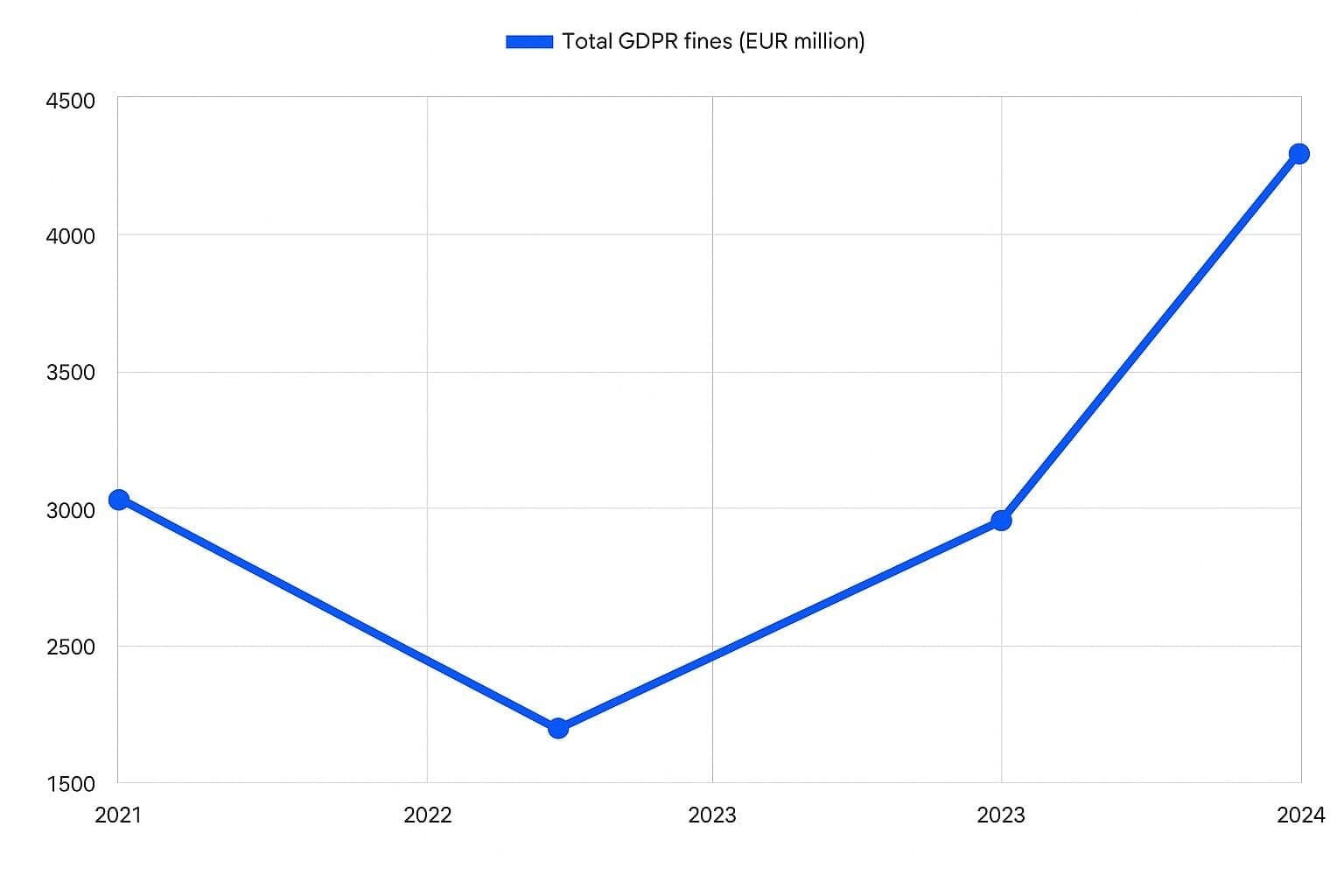
Media buying has shifted from pure performance into a discipline where growth and governance sit in the same sprint. As platforms tighten enforcement and regulators raise expectations, buyers get judged on ROI and on how safely that ROI is generated.
That is why media buyers are becoming compliance aware strategists. The job now sits at the intersection of ad platform policy, privacy regulation, creative claims, and data governance. Teams that treat compliance as a blocker see account instability, learning resets, and delayed launches. Teams that treat it as a system keep volume stable and iteration cycles moving.
The opportunity is simple. Build compliance into planning, execution, and measurement so you spend less time firefighting and more time controlling CPA, protecting delivery, and keeping testing velocity high.
Why compliance literacy is now a performance lever
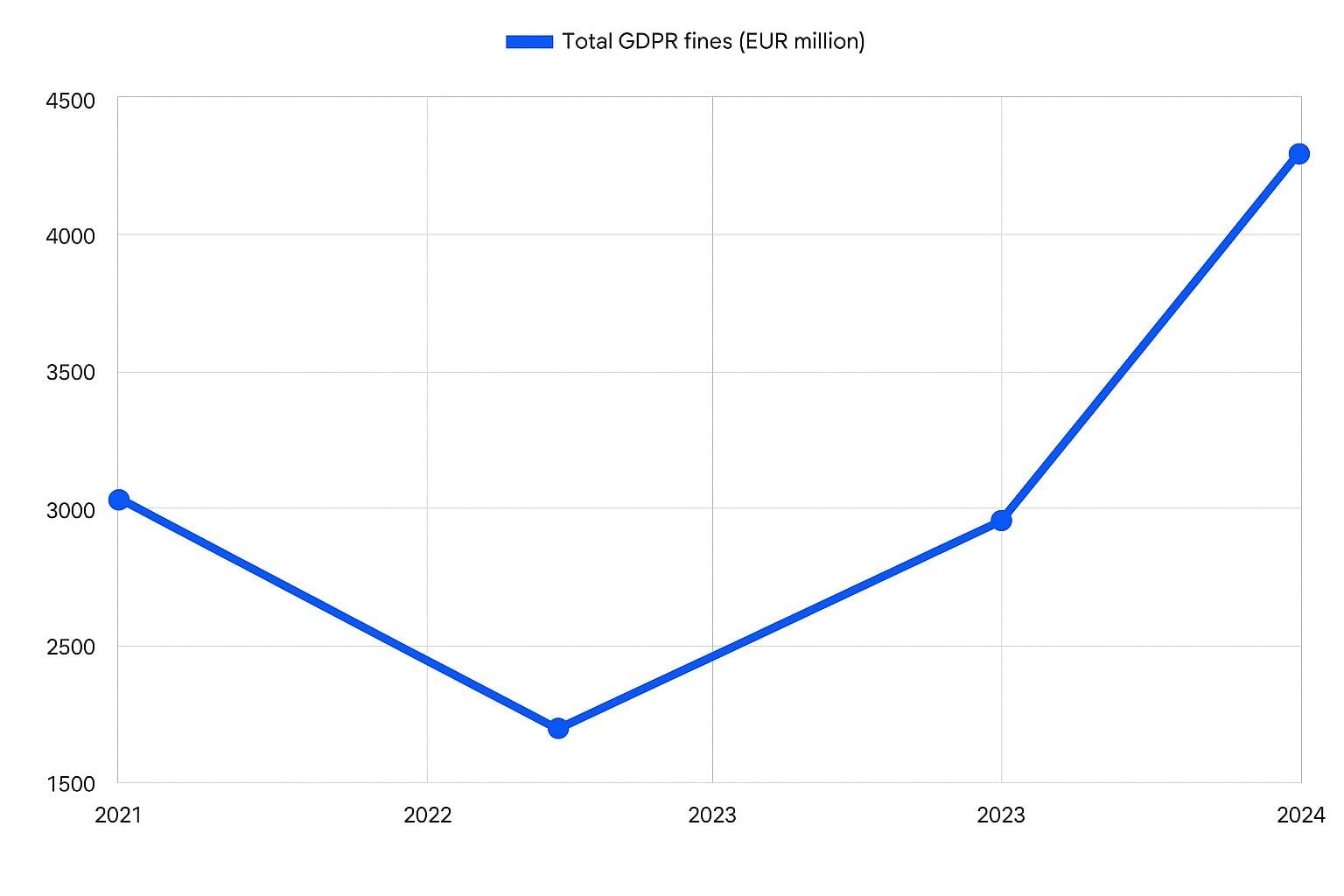
Platform enforcement and regulatory scrutiny are not abstract risks. They show up as disapprovals, limited delivery, restricted targeting, billing holds, and account reviews. Any of those can break volume stability, spike CPA, and create attribution noise from interrupted learning.
Buyers are also expected to prove growth is built on lawful data use and truthful advertising. Practically, that means understanding consent, signal loss, and what your claim language can actually support. Strong operators translate requirements into build details: pixel and CAPI configuration, event selection and prioritization, landing page disclosure, and how creative frames outcomes without triggering policy.
Compliance literacy also improves collaboration speed. When you can speak in risk management and evidence backed claims, legal and brand teams stop being a late stage constraint. You get fewer rewrites, faster approvals, and more predictable budget allocation.
How compliance aware media buying works in practice
In practice, being compliance aware means building checks into the campaign lifecycle, from intake to creative review to measurement. The goal is not to slow the team down. It is to prevent avoidable setbacks that kill momentum and compress testing windows.
A simple workflow that protects delivery and speed
- Pre flight policy and claims review: Confirm the offer, targeting approach, and creative claims align with platform rules and category standards before building ads. This matters because rejections can cascade into reduced account trust and slower learning.
- Consent and tracking readiness check: Validate that consent banners, tag firing rules, and server side configurations support lawful measurement. This matters because broken consent handling creates missing events, weaker optimization signals, and noisier reporting.
- Landing page alignment: Ensure the landing page matches the ad promise, includes required disclosures, and avoids prohibited language. This matters because mismatches drive disapprovals and quality issues that raise costs.
- Event and attribution governance: Define which conversion events are allowed, prioritized, and audited. This matters because over collection or inconsistent setups create compliance exposure and distort CPA and CVR reads.
- Documentation for auditability: Keep a lightweight record of approvals, claim substantiation sources, and tracking changes. This matters because it speeds internal reviews and supports responses to platform or partner inquiries.
These steps compound in value when you scale across brands, geographies, or verticals where requirements shift. A compliance aware buyer uses playbooks and checklists so execution stays consistent as spend grows and creative fatigue forces faster iteration.
Risks and mistakes that create avoidable setbacks
Most compliance failures in paid media are not intentional. They come from rushed launches, unclear ownership, and outdated assumptions about what platforms will tolerate. You pay in lost time, lost learning, and reduced account credibility.
A common mistake is treating compliance as a one time gate. Policies change, regulators publish new guidance, and product pages drift. What cleared review last quarter can fail today, right when you are trying to scale.
- Overpromising in creative: Unsubstantiated results, before and after implications, or absolute guarantees can trigger disapprovals and consumer protection risk. Avoid this by requiring evidence for performance claims and using qualified language that matches what you can defend.
- Ignoring vertical specific rules: Health, finance, housing, and other sensitive categories often have stricter requirements. Evaluate restrictions per market and platform to prevent account enforcement surprises.
- Misconfigured tracking and consent: Firing tags before consent, collecting unnecessary data, or mislabeling events can create privacy compliance exposure and break attribution. Audit implementations after every major site or tag manager change.
- Fragmented ownership: When media, web, and legal teams do not share a single source of truth, changes slip through. Establish clear responsibilities for claim approvals, tracking changes, and landing page updates.
The fix is operational. Put compliance into the performance workflow. If it is not in the checklist, it will get skipped under pressure, then you will lose days to appeals and rebuilds.
Optimizing for scale: turning compliance into an advantage
As spend increases, the best teams use compliance to protect speed and resilience. They standardize what can be standardized, monitor what can be monitored, and keep human review for the calls that actually require judgment.
Start by defining a short set of non negotiables for every launch. Then track outcomes buyers care about. Disapproval rate, time to launch, event match quality, volume stability, and how often learning gets reset. Over time, this becomes an edge because competitors are still reacting to enforcement while you keep budget allocation steady.
- Build a claims library with substantiation: Maintain approved claim language and evidence sources by product and market. This improves creative velocity and reduces review cycles.
- Set up compliance informed experimentation: Test angles that sell without crossing policy lines, and track rejection rate alongside CPA and CVR. This matters because the best creative is useless if it cannot run consistently.
- Use monitoring to catch drift: Implement regular checks for broken events, consent changes, and landing page edits. This matters because measurement integrity is a prerequisite for reliable optimization.
- Align on a policy escalation path: Define how to respond when ads are rejected or accounts are limited, including who contacts platform support and what evidence is required. This reduces downtime and supports platform compliance recovery.
- Design attribution with privacy constraints in mind: Use blended measurement, modeled conversions, and incrementality where appropriate. This matters because privacy first measurement now drives forecasting and scaling decisions as signal decay increases.
When compliance is part of the strategy, you protect the basics that make performance possible. Stable delivery, cleaner signals, faster iteration, and fewer shocks when you push spend into new audiences and hit saturation.
Compliance aware media buying is about protecting performance. Buyers who understand policy, privacy, and claims ship faster, keep accounts stable, and build trust across teams. In a world of stricter rules and noisier signals, the skill is turning constraints into repeatable operating advantage.
If you want help building a compliant, scalable paid media system that supports growth across platforms and markets, Contact us.