
Why Media Buyers Must Understand Platform Business Models
Understand platform business models to predict auctions, manage signal decay, reduce attribution noise, and allocate budget with tighter CPA control.
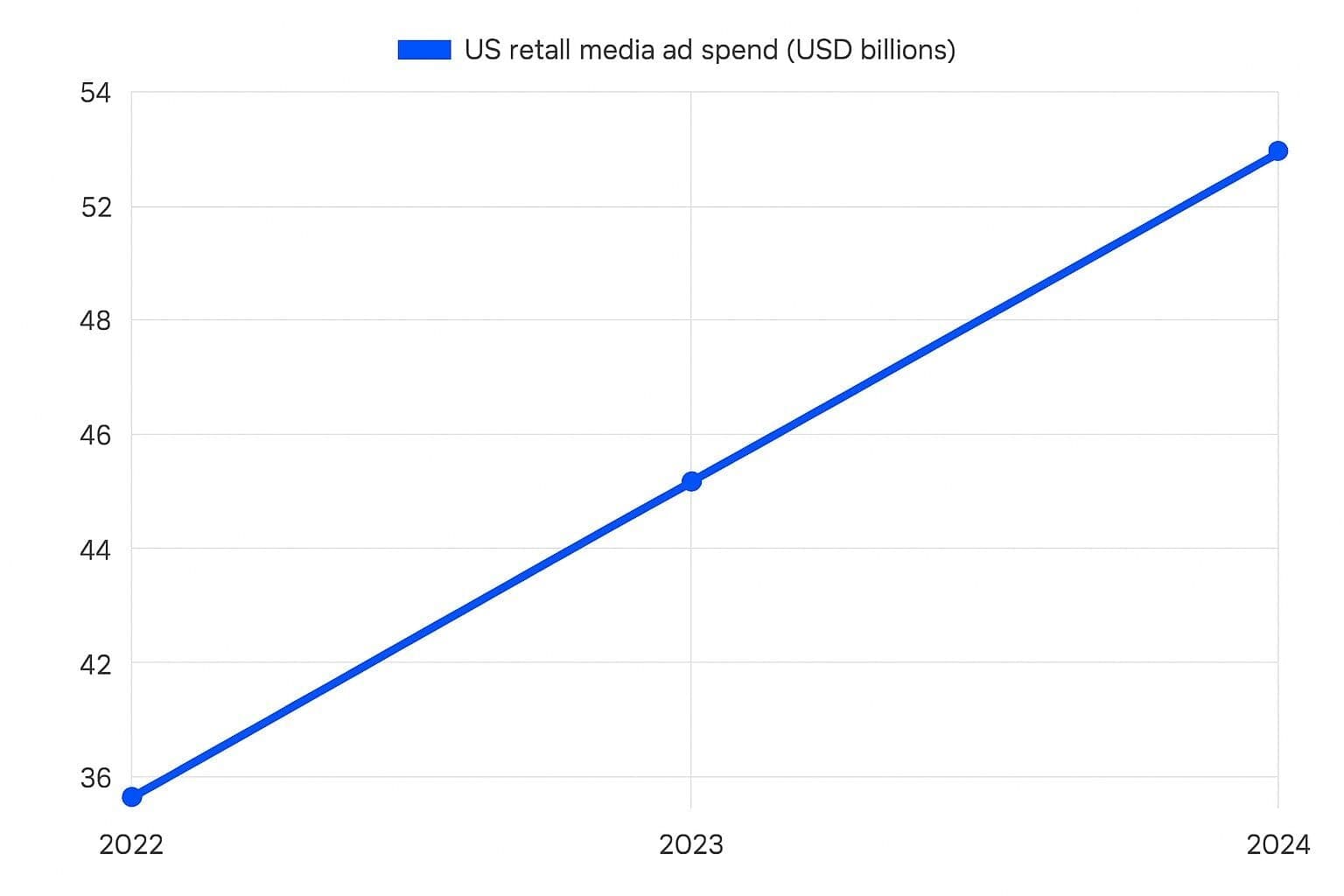
Media buying is not neutral inventory. Every major channel is a platform with incentives that shape targeting access, measurement limits, auction clearing, and who wins at scale. Treat platforms as interchangeable and you will keep seeing unexplained CPM lift, attribution noise, and performance cliffs when you push spend.
Platform business models decide what the system optimizes for, how it prices attention, and where it captures margin in the ad stack. For media buyers, this is not theory. It is a planning edge for CPA control, volume stability, and cleaner budget allocation conversations.
This article breaks down why platform business models matter and how to turn that into sharper planning, faster iteration cycles, and more predictable optimization across paid social, retail media, search, and programmatic.
Platform business models shape auctions, data access, and outcomes
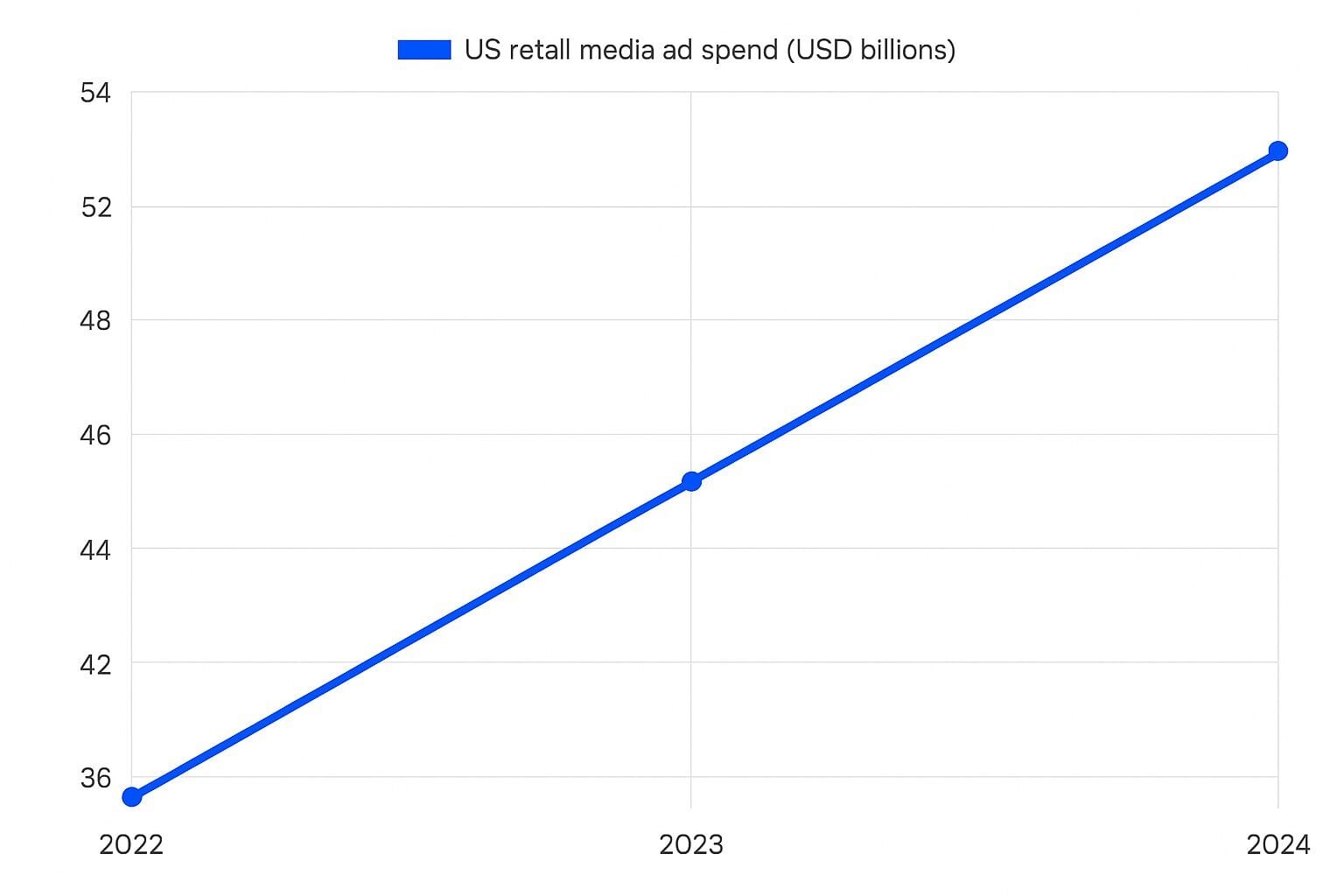
Platforms monetize some mix of time spent, transactions, and data leverage. Ads are the layer that converts those behaviors into revenue. That incentive stack influences ranking, content distribution, and how impressions get allocated across advertisers.
For media buyers, the key constraint is simple. The platform objective function becomes your constraint. If the platform is rewarded for keeping users scrolling, delivery will bias toward engagement and cheap interactions, not your marginal profit. If the platform is rewarded for completed purchases, common in retail media, ad products and reporting will stay close to conversion signals, but the view is usually limited to its own ecosystem.
Business models also determine whether the platform behaves more like an open auction marketplace or a walled garden. In open environments, you can typically bring more owned data, apply third party measurement, and run cross channel frequency controls. In walled gardens, you may get strong native delivery but accept restricted transparency, platform defined attribution, and shifting rules on identity, tracking, and modeled reporting.
Finally, platforms do not just sell impressions. They sell algorithmic optimization packaged as simplicity. If you do not know what the system is optimizing for, and what signals it can actually learn from, you will pick the wrong bid strategy, conversion event, or creative format and then wonder why performance degrades during scaling.
How to apply platform model thinking to media planning
Make business models usable by turning them into a repeatable evaluation. The goal is to predict where the platform captures value, then design your tests and account structure around your scaling constraints.
A practical evaluation checklist for any channel
- Identify the platform’s primary monetization engine (ads, subscriptions, transaction fees). This tells you whether the platform will bias toward reach, retention, or purchase completion, which shows up in delivery patterns and reporting.
- Map auction dynamics (first price, second price, minimums, quality scores). This explains CPM volatility and whether creative and landing page quality changes your clearing price in a meaningful way.
- Assess data portability (pixel, server side, clean rooms, offline uploads). If data cannot flow in and out, lean harder on on platform testing velocity and be conservative with cross channel claims.
- Validate measurement incentives by comparing platform attribution to independent sources (MMM, incrementality tests, geo tests). Platforms benefit when their reported impact looks high, so you need an external truth set.
- Check inventory expansion levers (audience network, partner placements, search partners). Expansion can add volume, but it often shifts intent, brand safety, and conversion rate.
From that checklist, implement actions that protect efficiency while you scale:
Actionable insight 1: Choose the optimization event based on the platform learning loop. If the system needs frequent events, start with add to cart or lead quality tiers, then graduate to purchase once volume is consistent. Early on, learning stability beats theoretical accuracy.
Actionable insight 2: Separate prospecting from retargeting budgets and success metrics. Many systems over allocate to warm demand because it is easier to measure and cheaper to close. Separation protects incrementality and keeps customer acquisition from being crowded out.
Actionable insight 3: Use channel specific creative that matches the platform consumption model. For feed based discovery, hook fast and design for thumb stop. For intent driven environments, align copy to query and merchandising. Platforms reward content that increases engagement, which improves delivery efficiency and auction competitiveness.
Actionable insight 4: Treat platform reporting as directional, then validate with controlled tests. Run lift tests, geo splits, or holdouts where possible. Attribution windows and modeled conversions can create false confidence and drive overinvestment.
Risks and common mistakes when business models are ignored
Most mistakes come from assuming the platform is aligned with the advertiser goal. The alignment is partial. The platform optimizes for its own growth, revenue, and risk controls, and those priorities show up as delivery bias and measurement framing.
A common failure mode is treating automated optimization as guaranteed profit. Automation follows the incentives and guardrails the platform sets. If you optimize to an event that is too rare, the system will chase proxy signals that may not match your unit economics. The outcome is optimized spend that does not translate into profit.
Another risk is measurement blind spots. Walled gardens can limit impression level data, restrict third party tracking, and change privacy policy with little notice. If your org relies on last click or platform dashboards alone, you can end up funding channels that harvest demand rather than create it.
Watch for these pitfalls and their consequences:
Warning: Blending objectives in one campaign (awareness plus conversions) usually pushes the system toward the easiest measurable result, not the highest value result. That can inflate reported ROAS while starving pipeline quality.
Warning: Accepting broad inventory expansion without controls can introduce brand safety issues and degrade lead quality. Cheap reach is not cheap when it increases refunds, chargebacks, or sales team workload.
Actionable insight 5: Implement a trust but verify measurement stack. Use platform reporting for in platform decisions, plus a second system (server side events, CRM matchback, or MMM) for budget allocation. This reduces dependency on any single platform’s self attributed performance.
Optimization and advanced strategies for better long term outcomes
Once you understand what a platform optimizes for, you can build structure that works with those incentives while protecting your business KPIs. Senior buyers build durable edges by improving signal quality, controlling the learning environment, and diversifying exposure to policy changes, auction shifts, and signal decay.
- Strengthen conversion signals with server side tracking, improved event deduplication, and consistent naming. Better signals help systems find the right users while reducing wasted delivery on low quality actions.
- Build incrementality into your cadence by running periodic holdouts or geo tests. This keeps budget decisions tied to lift rather than modeled attribution.
- Engineer your funnel by platform role (discovery, intent capture, purchase closure). This reduces internal competition and clarifies which KPI each platform owns.
- Use creative as a bidding lever by iterating hooks, offers, and formats aligned to platform consumption. Stronger engagement can improve quality scores and lower effective CPM.
- Manage concentration risk by setting spend caps per platform and keeping at least one alternate scaling path. This protects you from sudden policy changes, tracking shifts, audience saturation, or auction volatility.
Actionable insight 6: Forecast performance using platform mechanics, not only historical CPA. Track leading indicators like auction pressure (CPM), conversion rate stability, frequency, and marginal ROAS by spend tier. Diminishing returns usually show up first in auction and frequency before they hit blended CPA.
With these practices, diagnosis gets faster. A CPA spike can come from signal loss, auction pressure, creative fatigue, audience saturation, or measurement drift. Knowing the platform business model helps you pick the most likely lever and the fastest fix.
Media buyers who understand platform business models run tighter tests, choose optimization events that actually scale, and build measurement that resists bias. The result is fewer surprises, clearer stakeholder comms, and better profit control as platforms change policies and products.
If you want help translating platform mechanics into a measurement and scaling plan that fits your channels and margins, Contact us